
I'm a participant in the Amazon Services LLC Associates Program, an affiliate advertising program designed to provide a means for me to earn fees by linking to Amazon.com and affiliated sites.
Here’s a no-BS, balanced breakdown of smart ring vs. smartwatch — what they each do well (and where they fall short) — especially around sleep, stress, everyday health tracking, and lifestyle fit.
If your priority is sleep quality, recovery, stress & subtle health tracking, a smart ring is often the better, more comfortable choice.
If you want real-time fitness tracking, GPS, notifications, and lots of interaction, a smartwatch still wins.
In short: Smart rings = “wear-and-forget health companion.” Smartwatches = “interactive wearable hub.” Choose based on what you use it for.
Best Smart Rings
| Products | Oura Ring 4 | RingConn Gen 2 | Samsung Ring | RingConn Gen 2 Air | Ultrahuman Ring Air |
|---|---|---|---|---|---|
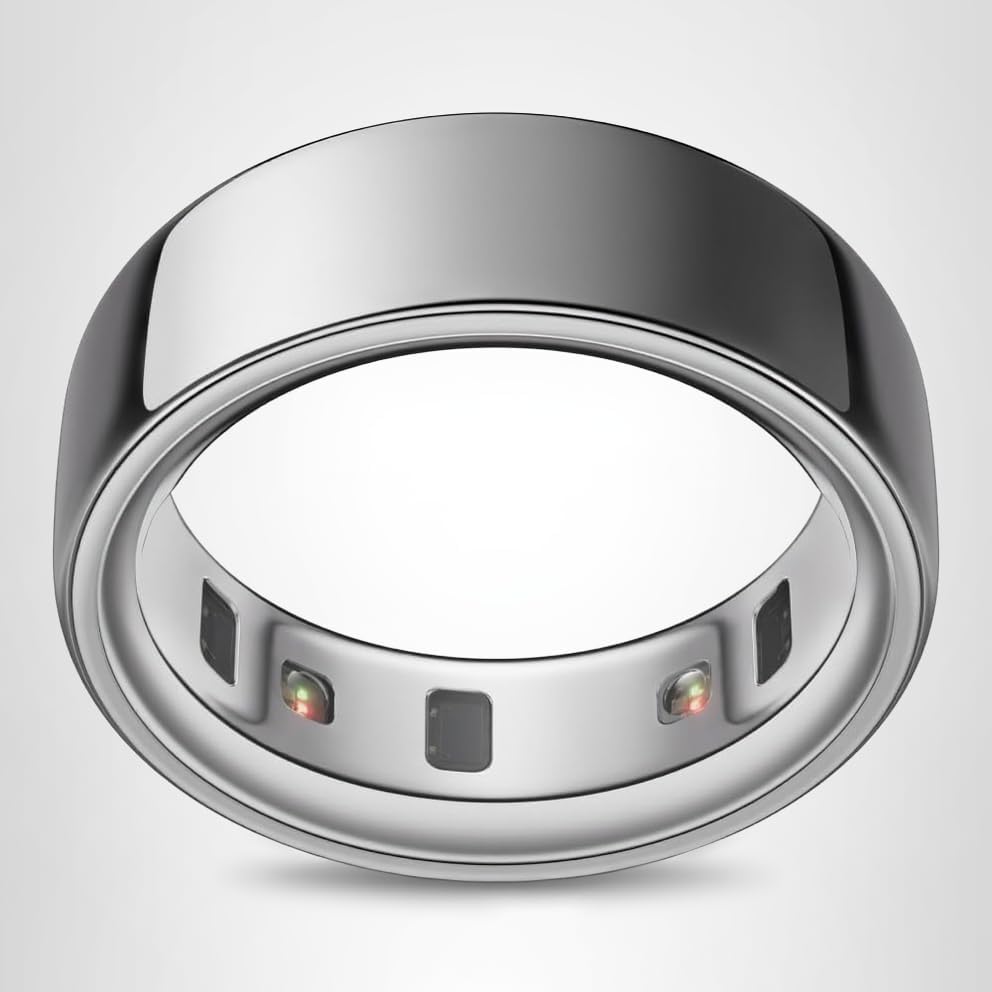 | 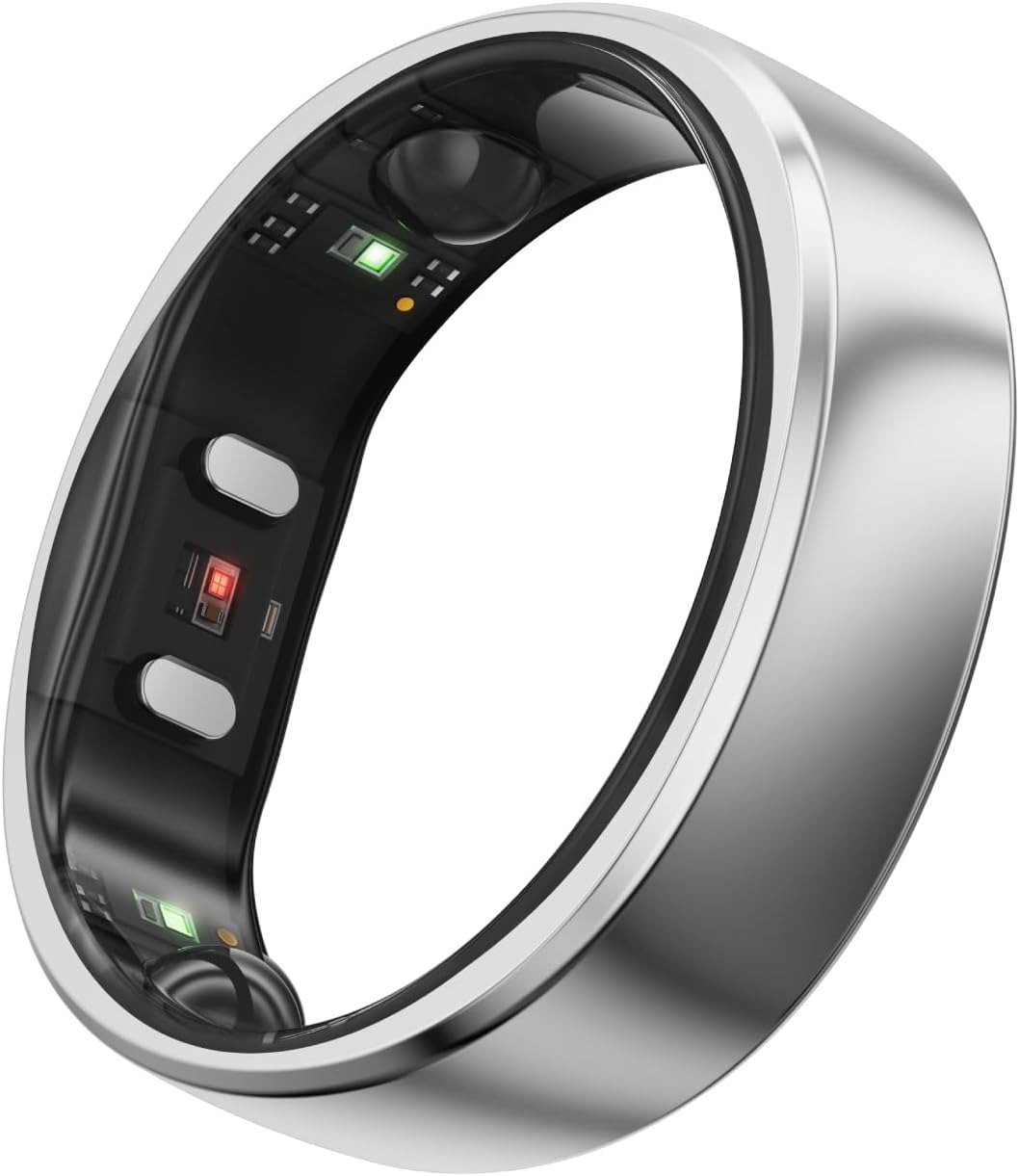 | 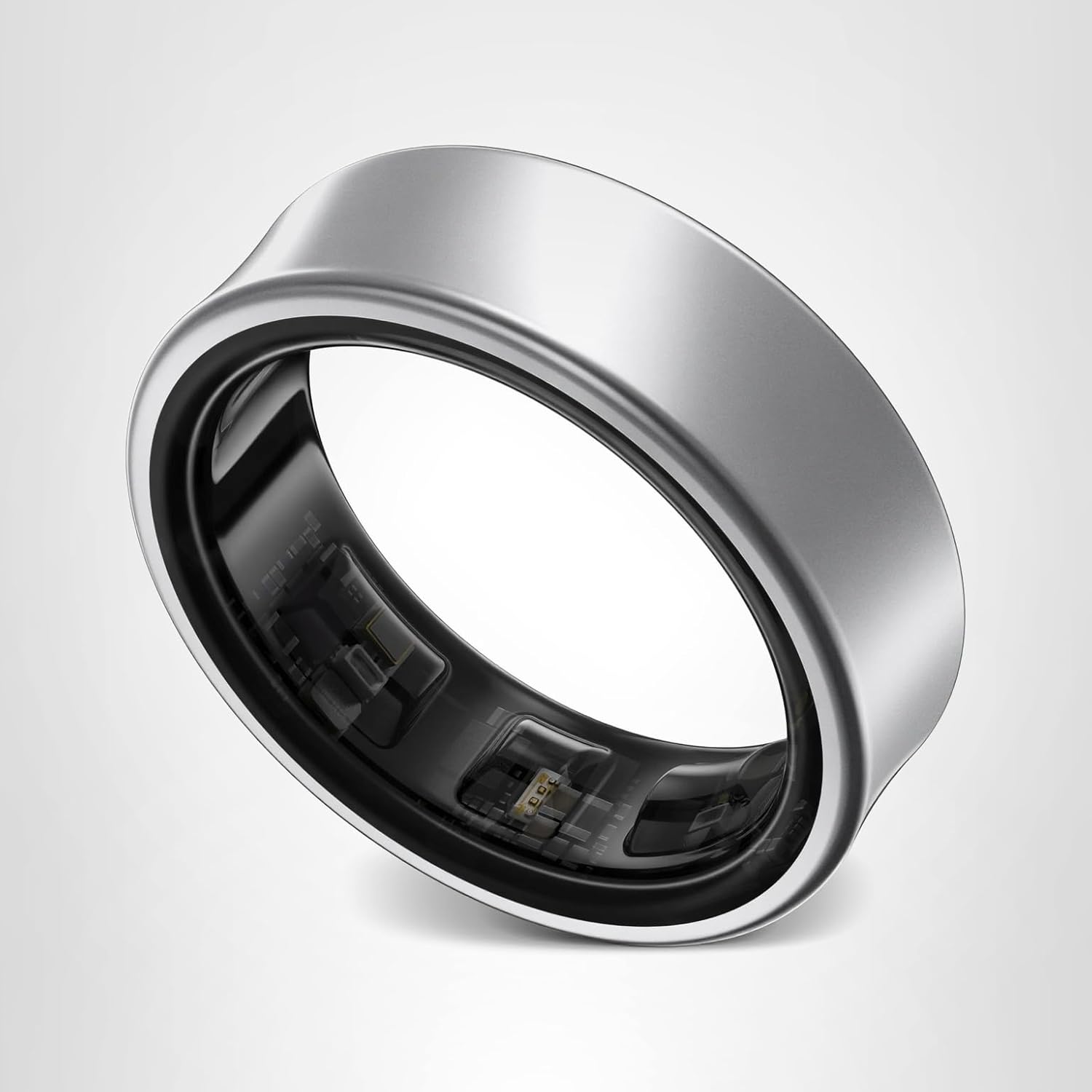 | 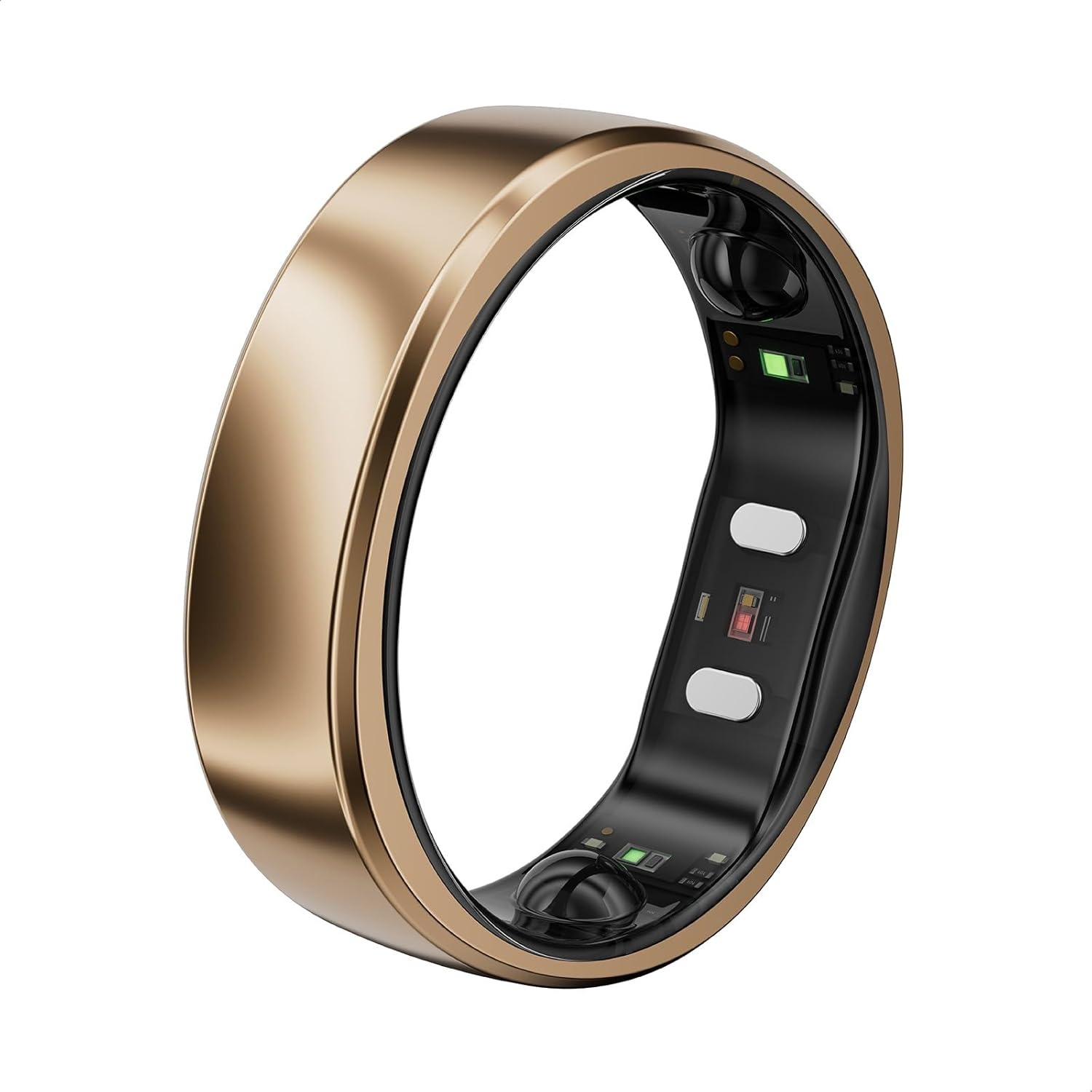 | 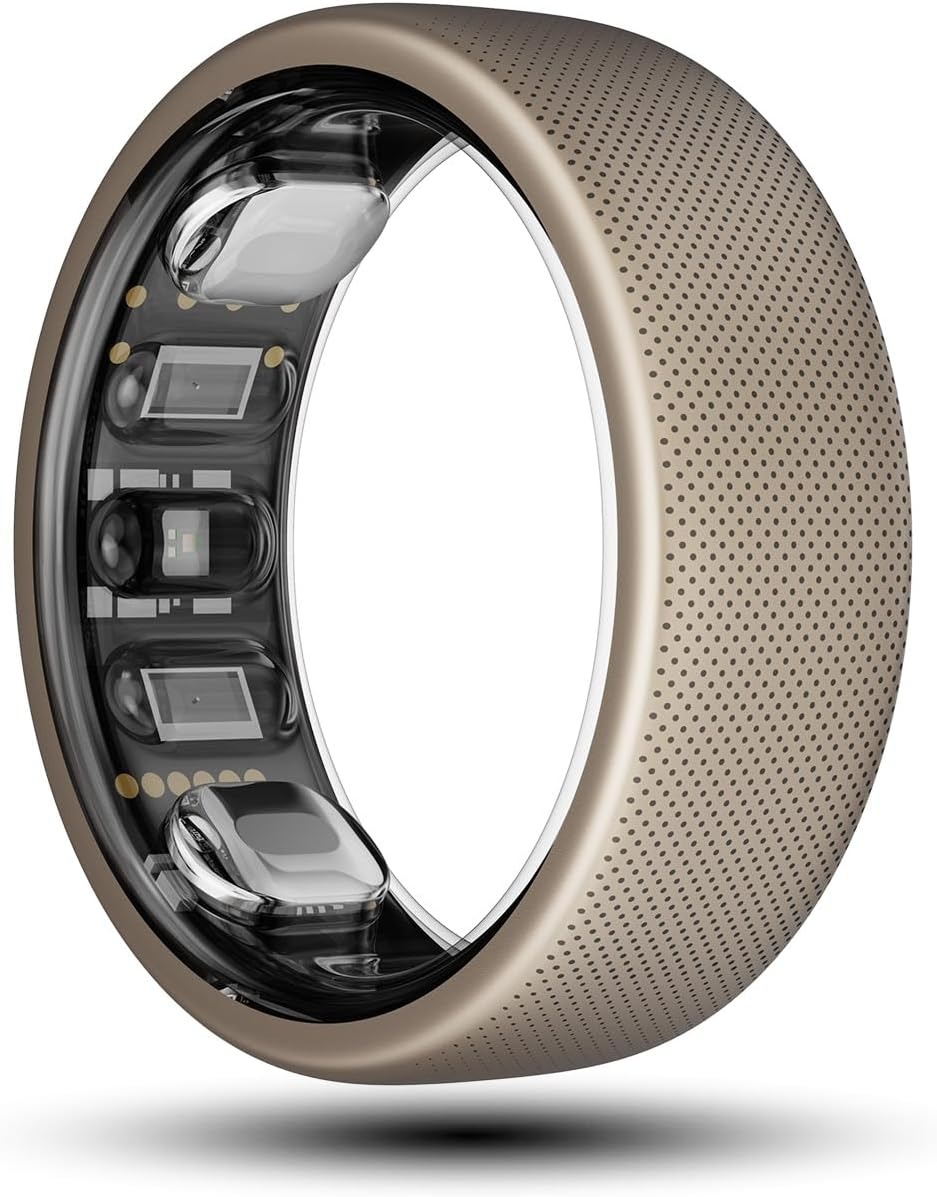 | |
| Best For | Overall smart ring | Best value & sleep apnea awareness | Best women-focused health & cycle | Best lightweight budget choice | Best for recovery & metabolic focus |
| Subscription | No | Yes (monthly) | No | No | No |
| Battery LIfe | ~12 days | Up to ~8 days | ~10–12 days | Mid-range | ~10 days |
| Charging | charging case | Tabletop dock | Portable charging case | Dock | Dock |
| Health | Sleep apnea + general wellness | General wellness, sleep, activity | Sleep, readiness, activity trends | Recovery, stress, metabolism | Sleep + activity + Galaxy AI |
| Look & Feel | Thin and minimal | Most jewelry-like | Ultra-thin, minimal | Open, adjustable band | Slim, simple |
| Price |  | | | | |
⚙️ How Smart Rings and Smartwatches Differ Fundamentally
Smart Rings — Minimalist, Passive & Lifestyle-Friendly
- A smart ring sits on your finger; sensors touch your finger’s capillaries, often giving stable, continuous readings of heart rate, HRV, sleep, temperature, and recovery.
- Because they’re small and don’t have screens, rings are less intrusive — easier to wear while sleeping, showering, or working quietly.
- Battery life tends to be better than many smartwatches because they don’t power screens or heavy processors.
- Rings often lean toward passive health tracking rather than active prompts, notifications, or real-time stats. That can be a plus if you want less “digital noise.”
Ideal for: sleep-tracking, stress monitoring, recovery tracking, people who dislike bulky wearables, or want a wearable that fades into daily life.
Smartwatches — Feature-Rich, Interactive & Fitness-Ready
- Smartwatches usually include screens, GPS, various sensors, and integration with phone apps. They track workouts, steps, location, and often give real-time data (pace, distance, heart-rate zones, etc.).
- They’re good for active lifestyles, workouts, runs, cycling, outdoor activities, or anyone needing metrics and immediate feedback.
- Smartwatches serve as mini-computers on your wrist: notifications, calls, apps, alarms — beyond health tracking. That makes them a multi-purpose tool.
Ideal for: fitness, outdoor training, busy lifestyles needing notifications, or people who want a single device for multiple tasks.
✅ When Smart Rings Are Better (Sleep, Stress, Everyday Health)
Smart rings often outperform smartwatches in these use cases:
- Better sleep tracking & recovery — rings tend to stay snug and comfortable overnight (no wrist-band pressure or screen distractions), which helps produce more reliable sleep and HRV data.
- Low-maintenance, 24/7 wear — because they’re tiny and lightweight, you’re more likely to keep them on all day & night, which gives more continuous health data (sleep, stress, recovery, baseline vitals).
- Minimal distraction, less “tech feel” — no screen, no constant pings, no bulky wristband — better for people who want health tracking without the smartwatch-style notifications or attention grab.
- Better battery life (in many cases) — since a ring doesn’t power a display and extra apps, it often lasts many days per charge.
- Stealth & style-friendly — can look like ordinary jewelry rather than “gadget on your wrist,” useful for work settings, minimal fashion, or just personal preference.
Bottom-line: If your focus is recovery, sleep, general wellness, stress — or you simply dislike wrist wearables — a ring may be the smarter choice.
| Products | Oura Ring 4 | RingConn Gen 2 | Samsung Ring | RingConn Gen 2 Air | Ultrahuman Ring Air |
|---|---|---|---|---|---|
| | | | | |
| Best For | Overall smart ring | Best value & sleep apnea awareness | Best women-focused health & cycle | Best lightweight budget choice | Best for recovery & metabolic focus |
| Subscription | No | Yes (monthly) | No | No | No |
| Battery LIfe | ~12 days | Up to ~8 days | ~10–12 days | Mid-range | ~10 days |
| Charging | charging case | Tabletop dock | Portable charging case | Dock | Dock |
| Health | Sleep apnea + general wellness | General wellness, sleep, activity | Sleep, readiness, activity trends | Recovery, stress, metabolism | Sleep + activity + Galaxy AI |
| Look & Feel | Thin and minimal | Most jewelry-like | Ultra-thin, minimal | Open, adjustable band | Slim, simple |
| Price | | | | | |
⚠️ When Smartwatches Are Clearly Better
Smartwatches hold the advantage when you need:
- Active workout metrics — distance, pace, GPS tracking, workout detection, real-time heart rate zones, step counting, and performance-based data.
- Notifications, connectivity, and multi-purpose features — calls, messages, music controls, apps — basically a wearable extension of your phone.
- Detailed fitness or sport tracking — especially for running, cycling, outdoor activities, or any workout requiring GPS or motion tracking.
- Interactive use — if you like glancing at your watch mid-day to check metrics, reminders, alerts, it’s much more convenient than pulling out your phone or waiting for a ring app sync.
Bottom-line: If you care about workouts, fitness metrics, or want a “smartwatch feature pack,” a watch still leads.
🧠 What Research & Reviews Say: Strengths & Weaknesses
- According to a health-wearables overview, smart rings may actually be more accurate for sleep tracking compared to some wrist-based devices — because rings can use finger capillaries for stable sensor contact and are less disturbed by wrist movement overnight.
- Smart rings are often described as better for “passive wellness tracking” — delivering recovery, sleep, body temperature and stress data with minimal user friction.
- But wearables reviewers also note that rings are limited in workout detection, real-time performance data, and advanced features (GPS, notifications, apps) — which remain smartwatches’ strong suit.
- Some users who rely on rings for activity tracking raise concerns — rings may mis-count steps or be less precise during vigorous activity compared to wrist devices.
🧩 How to Choose: Which Fits YOU Best (Smart Ring or Smartwatch)
Here’s a quick decision guide based on your needs:
- 🔄 You want “wear & forget,” sleep + recovery + stress tracking, minimal bulk → go smart ring.
- 🏃♂️ You train, run, workout, hike often — want real-time metrics, GPS, workout logging → go smartwatch.
- 💤 Main focus: sleep quality, recovery, wellness over time → ring.
- 🔔 You want calls, messages, reminders, apps, notifications on your wrist → watch.
- ⚖️ You want a balance — some fitness data but don’t like wrist devices → some people wear both (ring + watch) — ring for sleep/recovery, watch for workouts & notifications.
🔎 Final Thoughts (Smartwatch vs Smart Ring)
Smart rings and smartwatches are tools — and neither is “objectively better.” The right choice depends on what you need from a wearable.
- If you’re after subtle, long-term health, sleep, stress and recovery tracking — a smart ring is often a smarter, simpler, less intrusive choice.
- If you want real-time fitness tracking, workout feedback, connected features, notifications — a smartwatch remains the gold standard.
Some people even use both — a ring for overnight recovery and health tracking + a watch for workouts, daily scheduling, and connectivity.
👉 The “best wearable” isn’t about which gadget is better — it’s about which gadget fits your life and goals.