I'm a participant in the Amazon Services LLC Associates Program, an affiliate advertising program designed to provide a means for me to earn fees by linking to Amazon.com and affiliated sites.
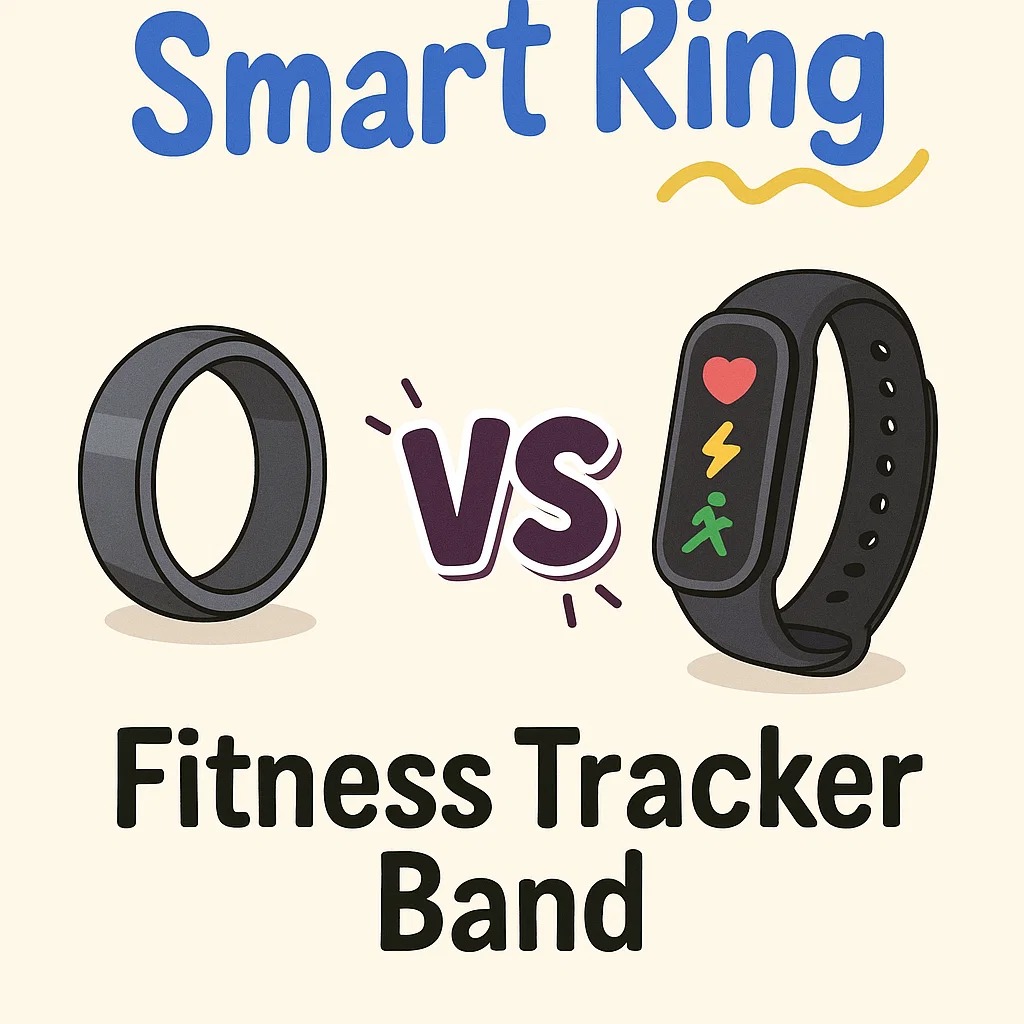
If your goal is sleep, stress, recovery, and all-day comfort, a smart ring often beats a fitness tracker band — it’s lighter, less distracting, and easier to wear 24/7.
But if you want step tracking, workout detection, and real-time fitness data, a fitness tracker band still holds the upper hand.
Why this matters: In 2026, wearables have split into two categories —
- Rings = passive, lifestyle-friendly health tracking
- Bands = active, movement-focused fitness tracking
Choosing the wrong one creates data gaps and wasted money. Choosing the right one makes your health data more accurate and easier to live with.
Top Smart Rings
| Products | Oura Ring 4 | RingConn Gen 2 | Samsung Ring | RingConn Gen 2 Air | Ultrahuman Ring Air |
|---|---|---|---|---|---|
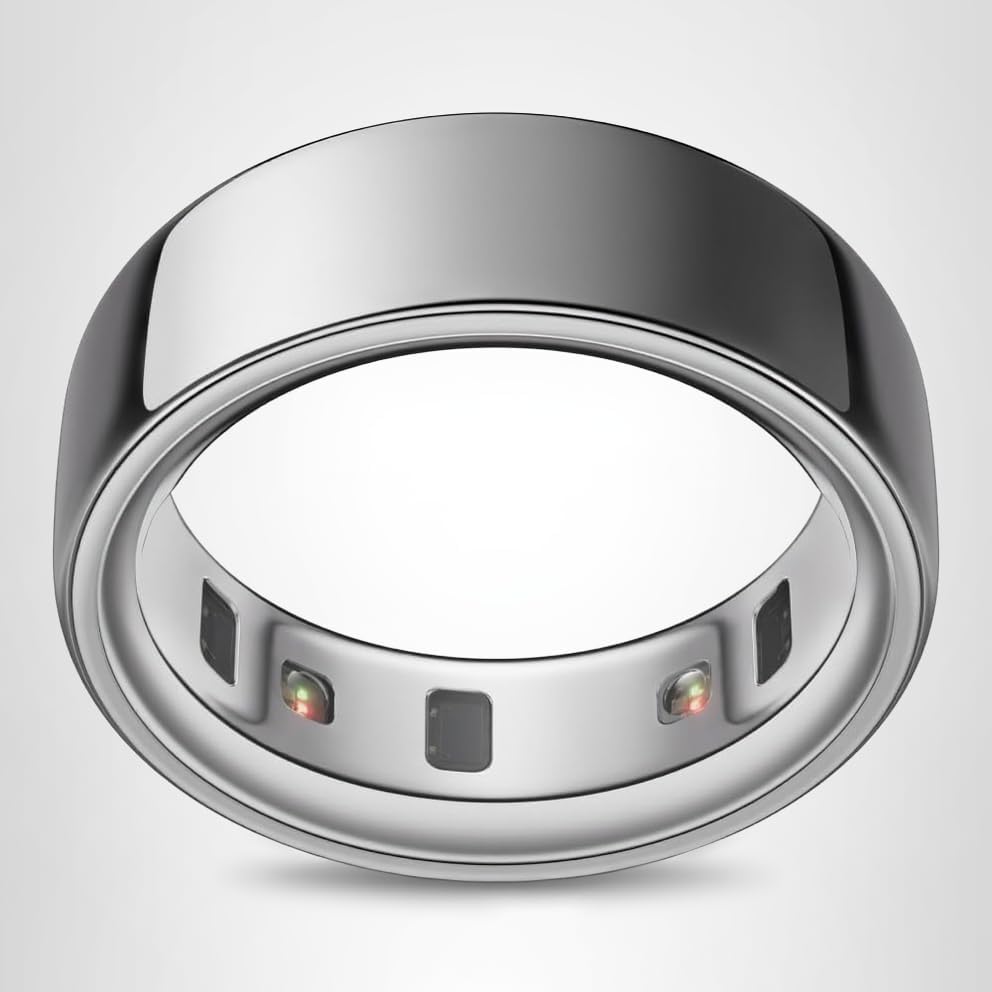 | 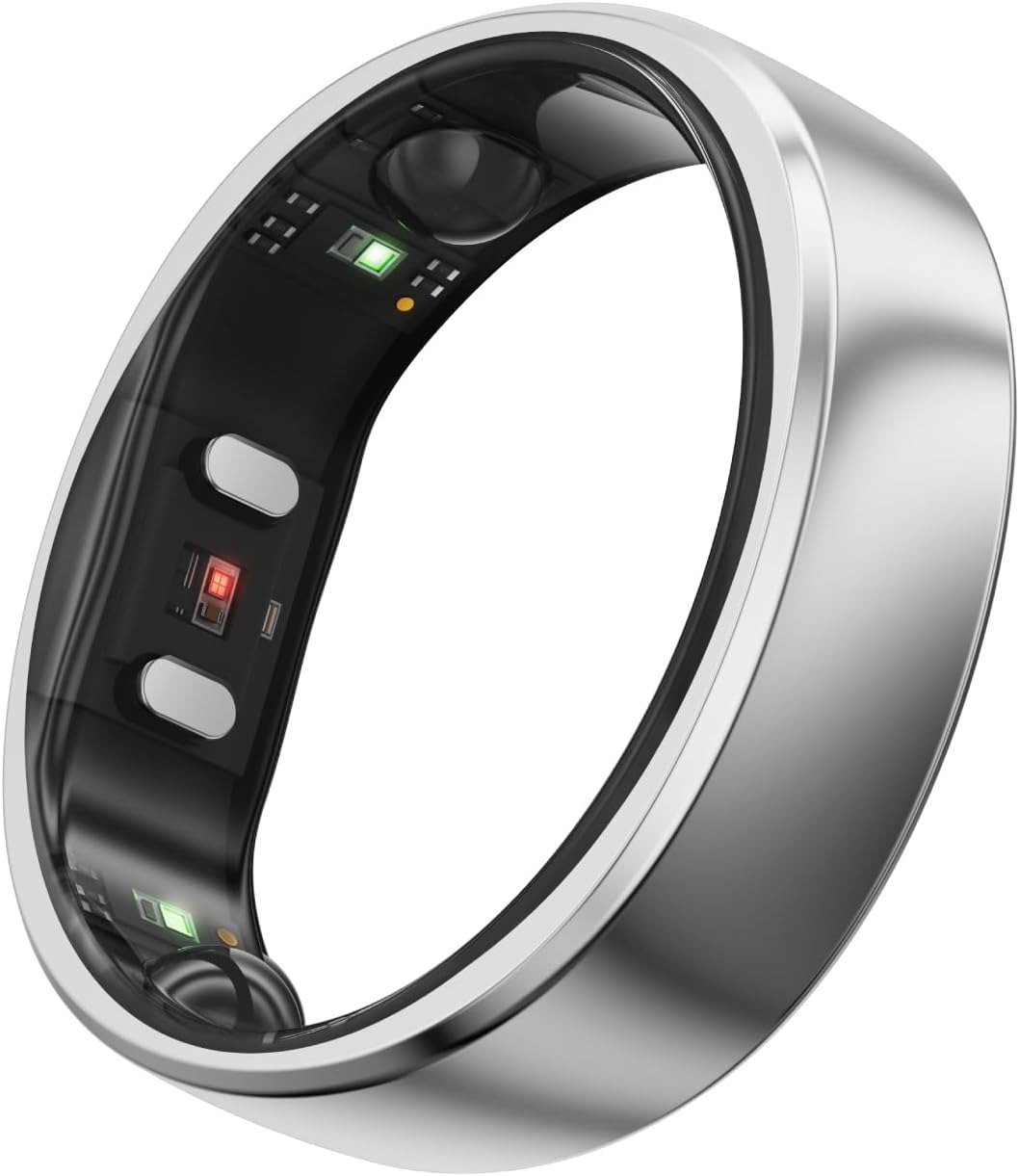 | 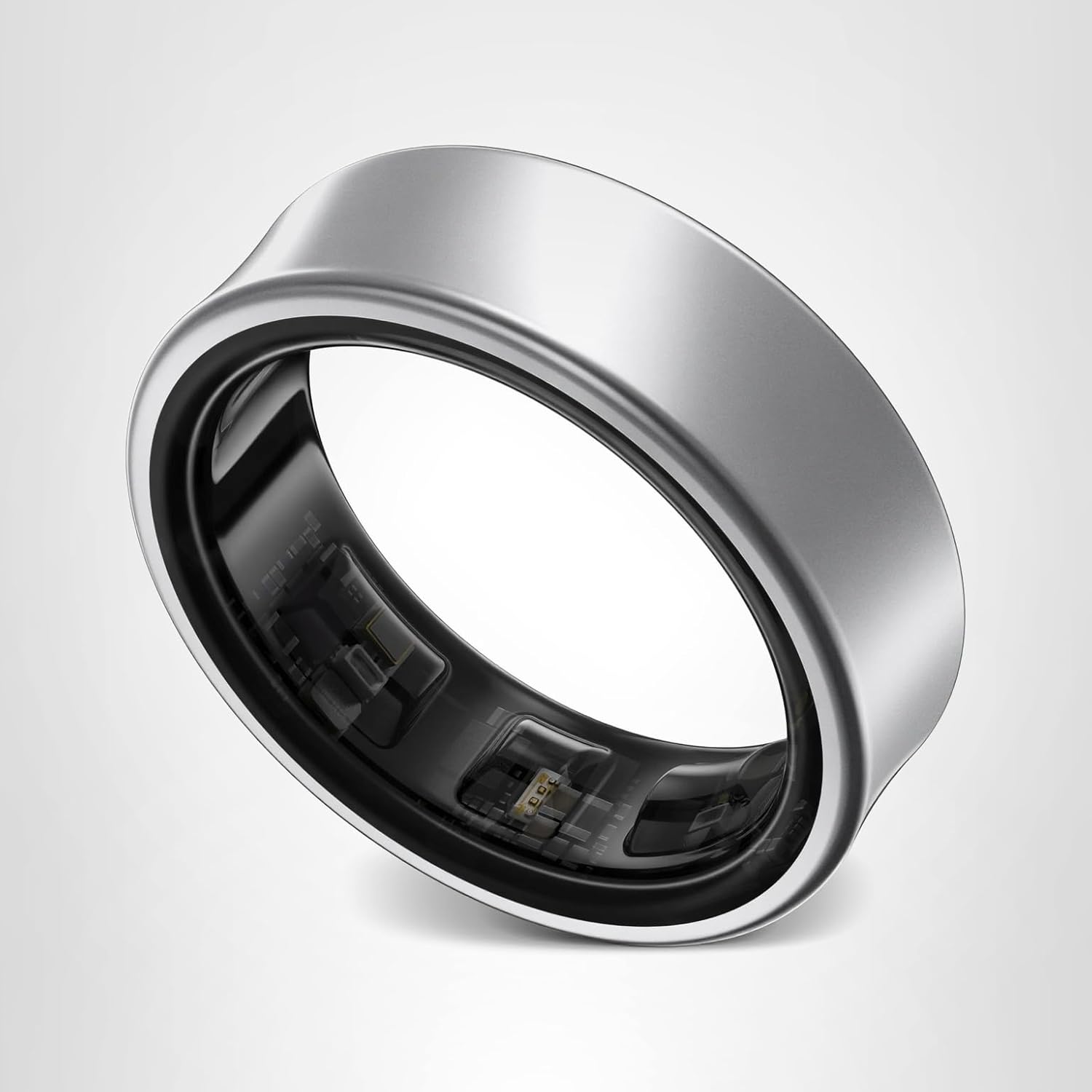 | 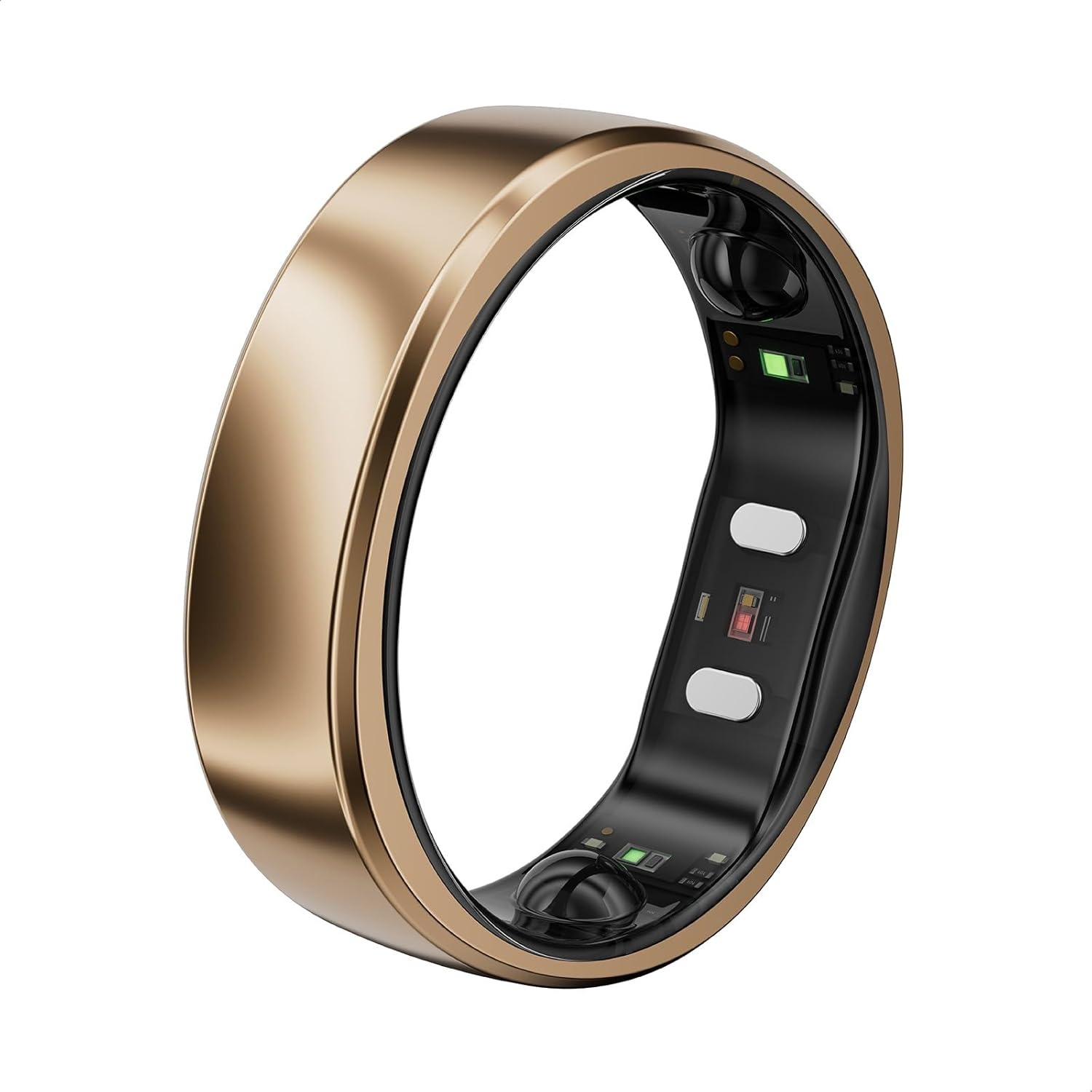 | 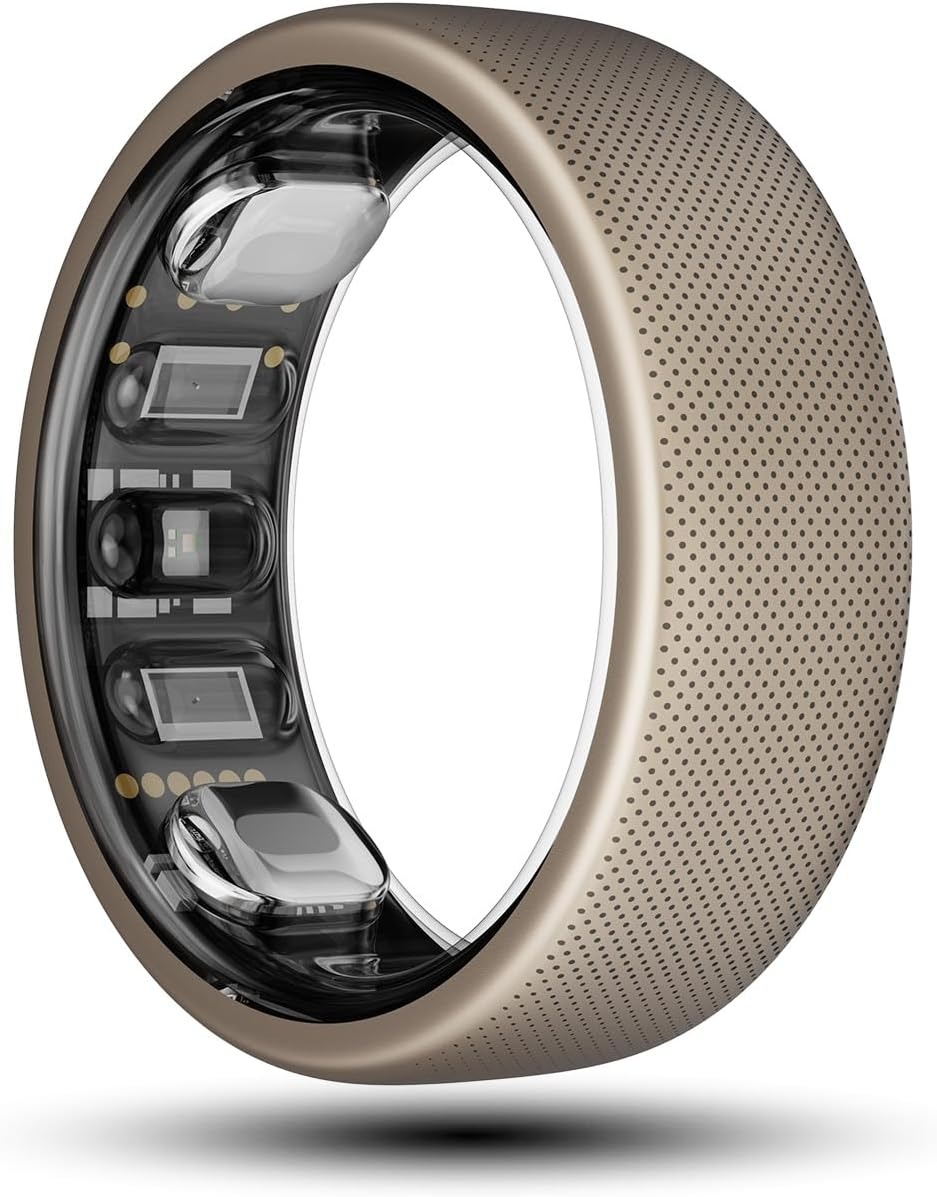 | |
| Best For | Overall smart ring | Best value & sleep apnea awareness | Best women-focused health & cycle | Best lightweight budget choice | Best for recovery & metabolic focus |
| Subscription | No | Yes (monthly) | No | No | No |
| Battery LIfe | ~12 days | Up to ~8 days | ~10–12 days | Mid-range | ~10 days |
| Charging | charging case | Tabletop dock | Portable charging case | Dock | Dock |
| Health | Sleep apnea + general wellness | General wellness, sleep, activity | Sleep, readiness, activity trends | Recovery, stress, metabolism | Sleep + activity + Galaxy AI |
| Look & Feel | Thin and minimal | Most jewelry-like | Ultra-thin, minimal | Open, adjustable band | Slim, simple |
| Price |  | | | | |
🟦 Smart Ring vs Fitness Tracker Band: Core Differences
1. Design, Comfort & Everyday Wear
Smart rings shine when it comes to all-day comfort. They’re tiny, lightweight, and don’t get sweaty or annoying during sleep or work.
- No straps
- No screens
- No wrist pressure
- No “fitness gadget” vibe
Most people forget they’re wearing one — which leads to better sleep data and more consistent long-term tracking.
Fitness bands, on the other hand, are better for people who want a visible reminder to move, need a screen during workouts, or like quick access to metrics.
But they can:
- Catch on clothing
- Feel warm during workouts
- Become annoying during sleep
- Look sporty even at work or events
Winner for comfort: Smart ring
Winner for interaction: Fitness band
2. Sleep Tracking & Stress Tracking
If sleep is your top priority, smart rings usually win.
Why?
- Rings rest on finger arteries — great for heart-rate and HRV signals.
- They stay stable and comfortable overnight.
- No bright screens.
- No strap pressure.
Fitness tracker bands can track sleep, but:
- Wrist movement reduces accuracy
- Bands may feel tight or itchy
- Screens can glow at night
- They often prioritize steps and activity, not sleep depth
If you care about:
- Sleep stages
- HRV
- Stress
- Nighttime recovery
- Temperature trends
A ring is the better tool.
Winner for sleep & stress: Smart ring
| Products | Oura Ring 4 | RingConn Gen 2 | Samsung Ring | RingConn Gen 2 Air | Ultrahuman Ring Air |
|---|---|---|---|---|---|
| | | | | |
| Best For | Overall smart ring | Best value & sleep apnea awareness | Best women-focused health & cycle | Best lightweight budget choice | Best for recovery & metabolic focus |
| Subscription | No | Yes (monthly) | No | No | No |
| Battery LIfe | ~12 days | Up to ~8 days | ~10–12 days | Mid-range | ~10 days |
| Charging | charging case | Tabletop dock | Portable charging case | Dock | Dock |
| Health | Sleep apnea + general wellness | General wellness, sleep, activity | Sleep, readiness, activity trends | Recovery, stress, metabolism | Sleep + activity + Galaxy AI |
| Look & Feel | Thin and minimal | Most jewelry-like | Ultra-thin, minimal | Open, adjustable band | Slim, simple |
| Price | | | | | |
3. Workout & Activity Tracking
This is where fitness bands take the lead.
Fitness tracker bands are built for:
- Steps
- Calories
- Heart-rate during motion
- Runs, cycling, or gym workouts
- Timers & stopwatches
- Vibration alerts
- Real-time data
A smart ring won’t replace any of that. It’s not built for movement-heavy sensing.
A ring works best as a recovery device, not an exercise device.
If you want:
- Live heart-rate
- Distance
- Pace
- GPS pairing
- Exercise auto-detection
- Alerts during workouts
You want a fitness tracker band.
Winner for workouts: Fitness band
4. Health Data Over Time (Recovery, Baselines, Wellness)
Here’s the biggest surprise:
Smart rings are often better at long-term health data consistency because people actually keep them on.
Consistency is everything for:
- HRV trends
- Resting heart-rate changes
- Temperature cycles
- Stress trends
- Sleep patterns
- Recovery scores
Fitness bands are worn less consistently because of:
- Charging
- Bulky feel
- Workout-only wear
- Comfort during sleep
- Screen distractions
So even though bands often have more features, rings often give better quality long-term data.
Winner for long-term health trends: Smart ring
5. Battery Life & Maintenance
Smart rings typically win here, too.
- No screen = long battery
- No heavy power draw
- Usually need charging only every few days
Fitness bands:
- Screens & notifications drain battery
- Need charging more often
- People take them off → data gaps
Winner for low maintenance: Smart ring
6. Lifestyle Fit: Which One Works for YOUR Daily Life?
Choose a Smart Ring if you:
- Want better sleep tracking
- Care about stress, HRV, recovery
- Prefer something tiny and discreet
- Don’t want a screen or notifications
- Hate overnight wrist wear
- Want a “set it and forget it” tracker
- Prefer minimal tech in your daily routine
- Want better long-term trends and health baselines
Choose a Fitness Tracker Band if you:
- Want steps, workouts, calories, distance
- Need real-time heart-rate
- Prefer visible metrics on your wrist
- Like the smartwatch look
- Want vibration alerts & notifications
- Track exercise several times per week
- Prefer active, movement-based data
⚠️ When a Smart Ring Beats a Fitness Tracker Band (and When It Doesn’t)
A Smart Ring Beats a Fitness Band When:
- You want excellent sleep & recovery data
- You need stress and HRV tracking
- You want the most comfortable wearable possible
- You’re overstimulated by screens or notifications
- You prioritize wellness > workouts
- You have an office job and dislike sporty wristbands
- You want a health device that blends into everyday life
A Fitness Tracker Band Beats a Smart Ring When:
- You run, bike, lift, or train regularly
- You want to see your heart rate live
- You want quick metrics on your wrist
- You want step goals and movement reminders
- You need exercise auto-detection
- You want haptics, alarms, timers, and alerts
🔎 Final Thoughts
When it comes to Smart ring vs fitness tracker band, best choice depends on your lifestyle — not the marketing hype.
- If you want sleep, recovery, stress, and 24/7 comfort → choose a smart ring.
- If you want workout tracking, steps, calories, and live stats → choose a fitness tracker band.
- If you want everything? Many people now pair both:
- Ring for recovery + sleep
- Band for workouts + activity
The real win comes from matching the device to your actual behavior.
Other Interesting Articles
- Top 5 Best Smart Rings for Men
- Best Smart Ring for Women: Top 5 Picks Ranked
- RingConn 2 vs Oura 3: Which Smart Ring Is Actually Better for Your Life?
- RingConn 2 vs Ultrahuman Ring (Ring Air): Which Smart Ring Fits You Better
- RingConn 2 vs Oura 4: Which Smart Ring Really Fits Your Life (and Wallet)?
- RingConn 2 vs RingConn 2 Air: The No-BS Guide to the Best Budget Smart Ring
About the Author
At Trimflo, I’m obsessed with the gear that actually makes a difference—whether that’s a smart ring, a weighted vest, or something you wear every day without thinking about it. Every recommendation here is based on real specs, independent testing, and long-term cost so you can confidently know whether you should get a smart ring or fitness tracker band.