I'm a participant in the Amazon Services LLC Associates Program, an affiliate advertising program designed to provide a means for me to earn fees by linking to Amazon.com and affiliated sites.
Are smart rings worth it in 2026? — if your goal is long-term health awareness, sleep quality, stress and recovery tracking, or subtle health monitoring.
They’re much less worth it if you’re after real-time sports tracking, precise workout metrics, or absolute medical-grade data.
Why this matters: in 2026, smart rings have matured enough that — worn consistently — they deliver a steady stream of biologic feedback that can guide better everyday habits, sleep hygiene, and overall wellness. But they’re not miracle devices; knowing their limits is key.
Are Smart Rings Worth Getting in 2026? – Comparison Table
| Products | Oura Ring 4 | RingConn Gen 2 | Samsung Ring | RingConn Gen 2 Air | Ultrahuman Ring Air |
|---|---|---|---|---|---|
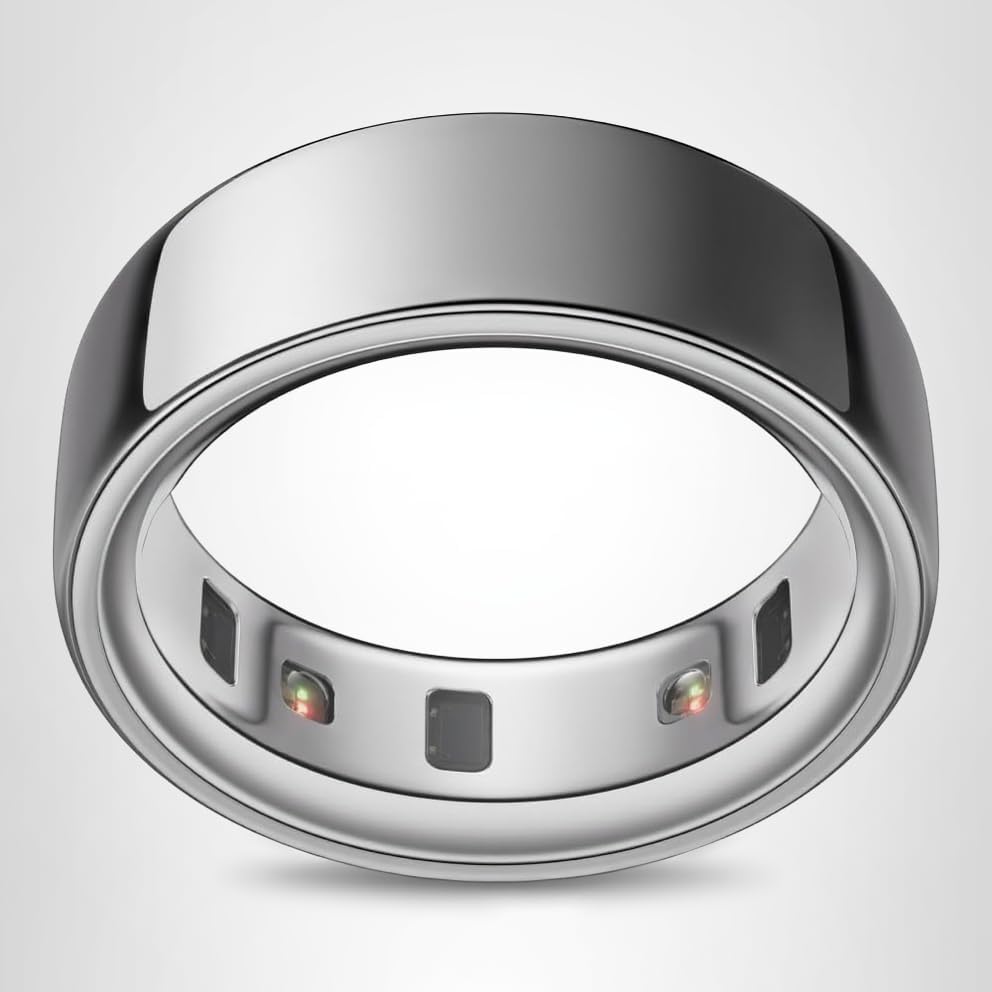 | 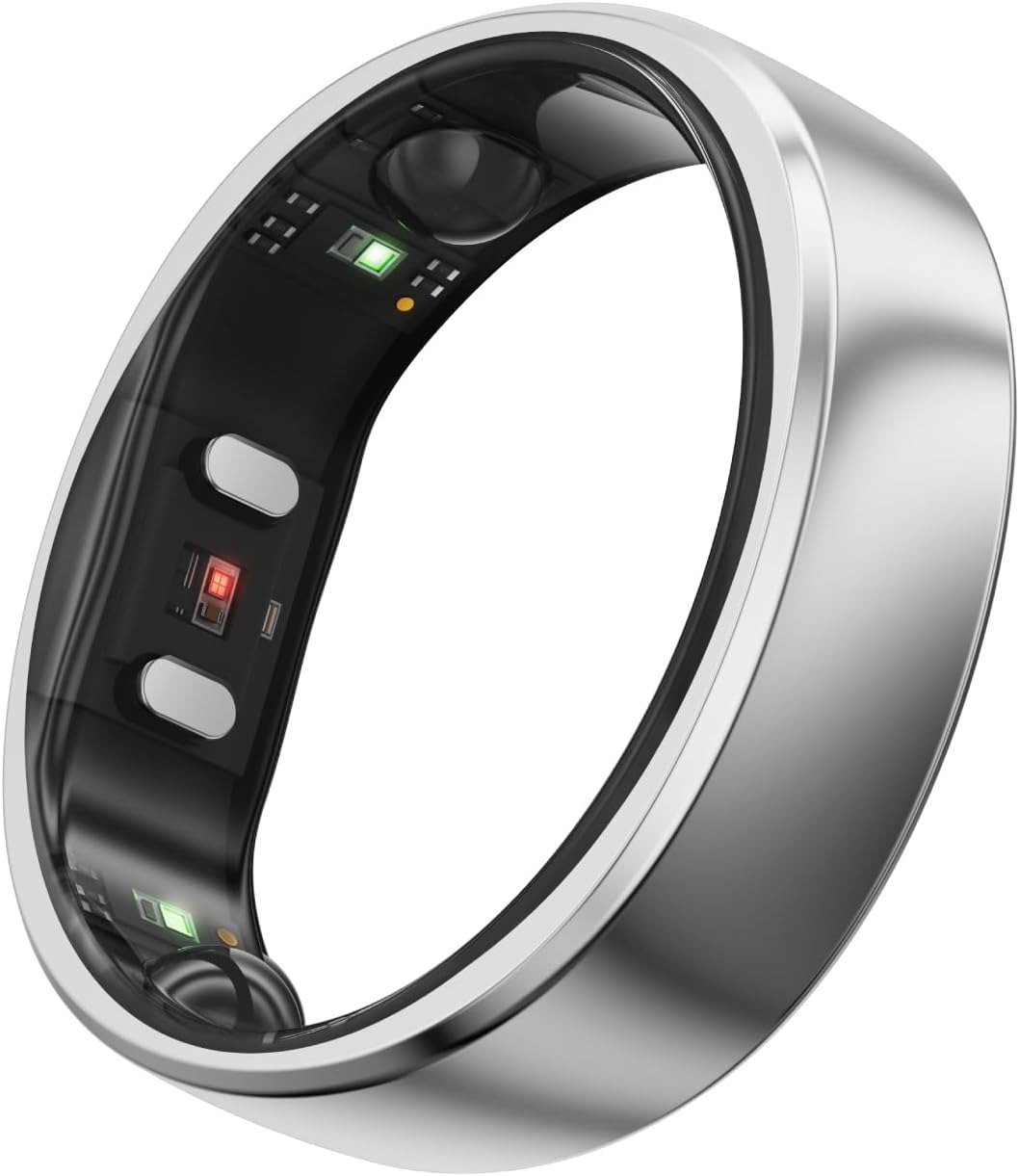 | 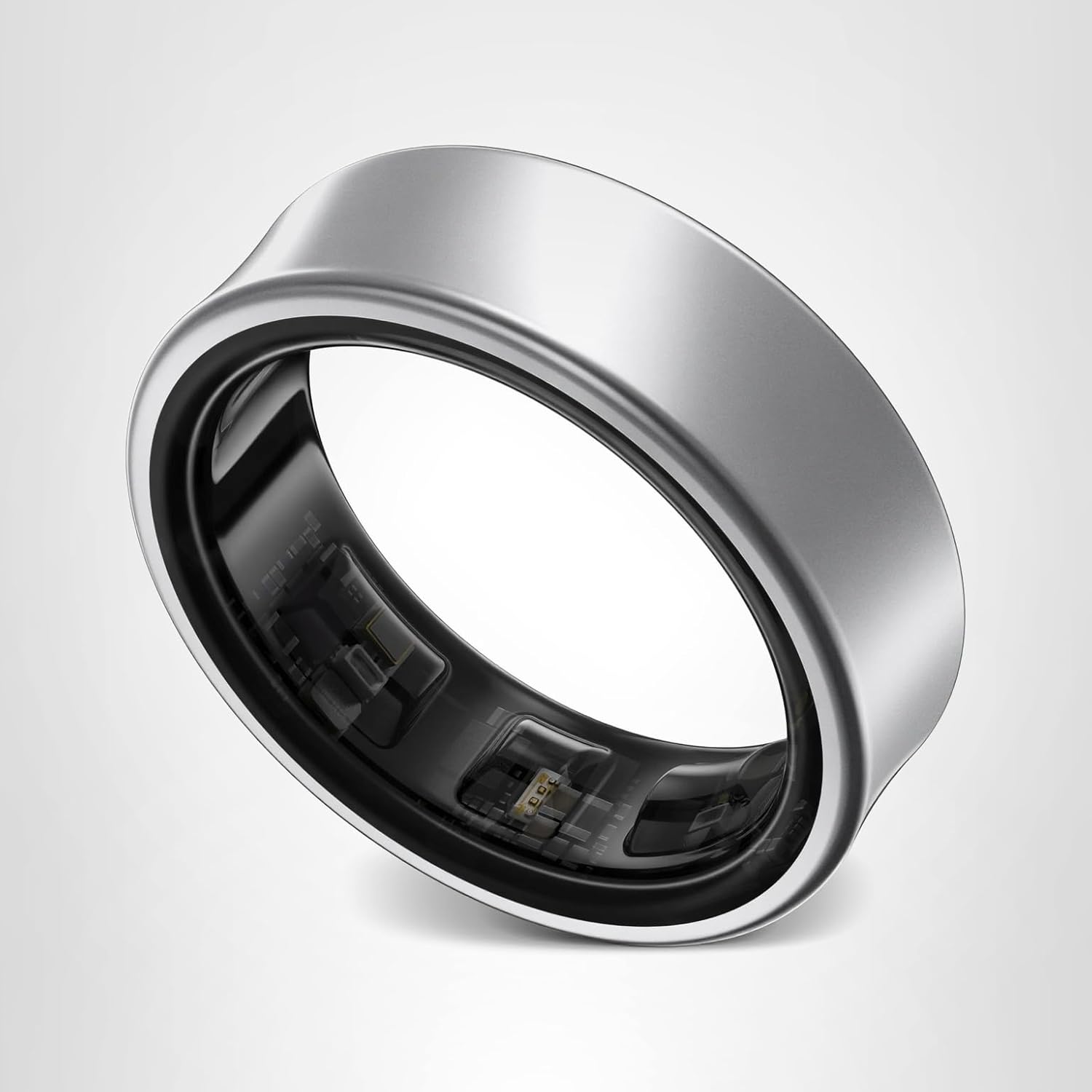 | 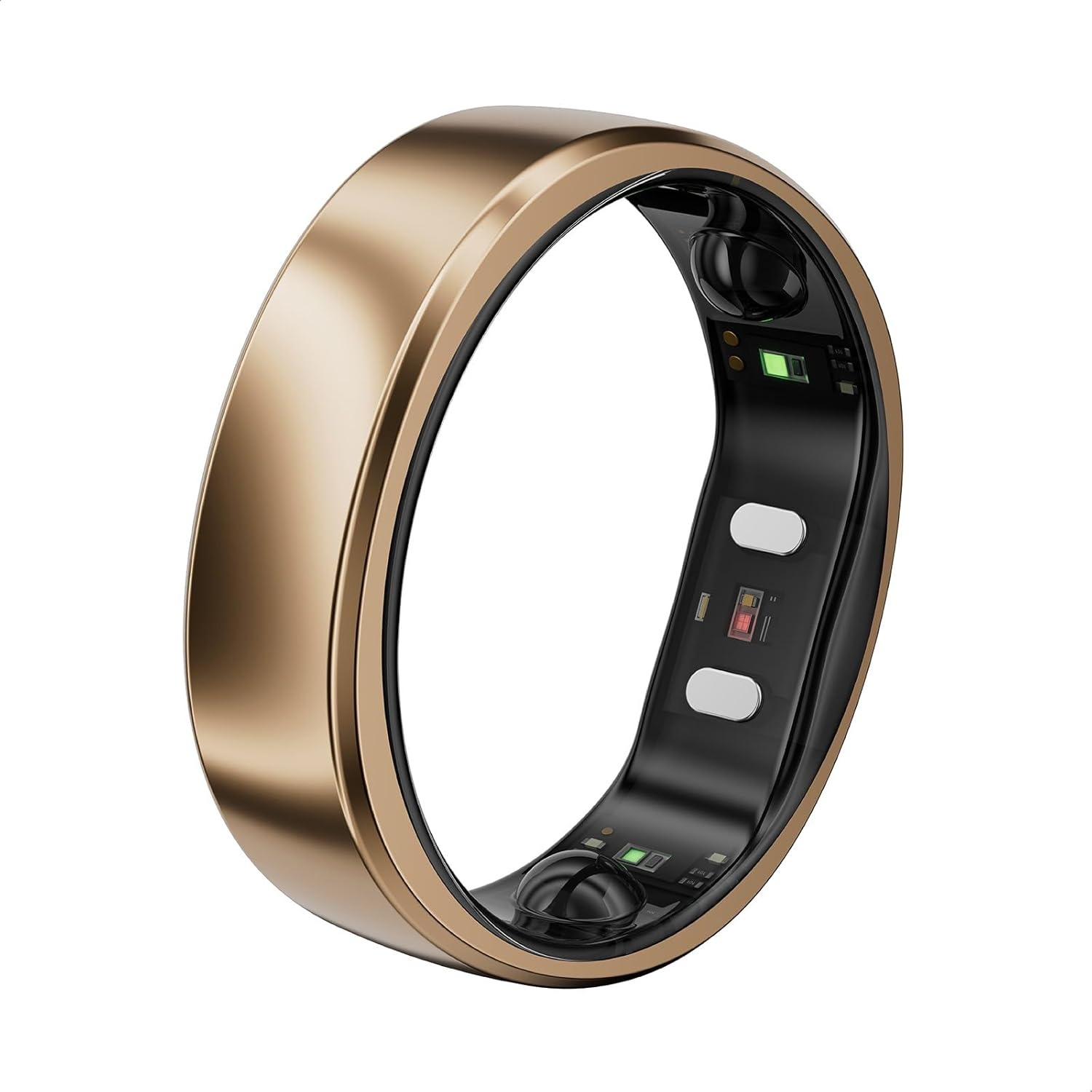 | 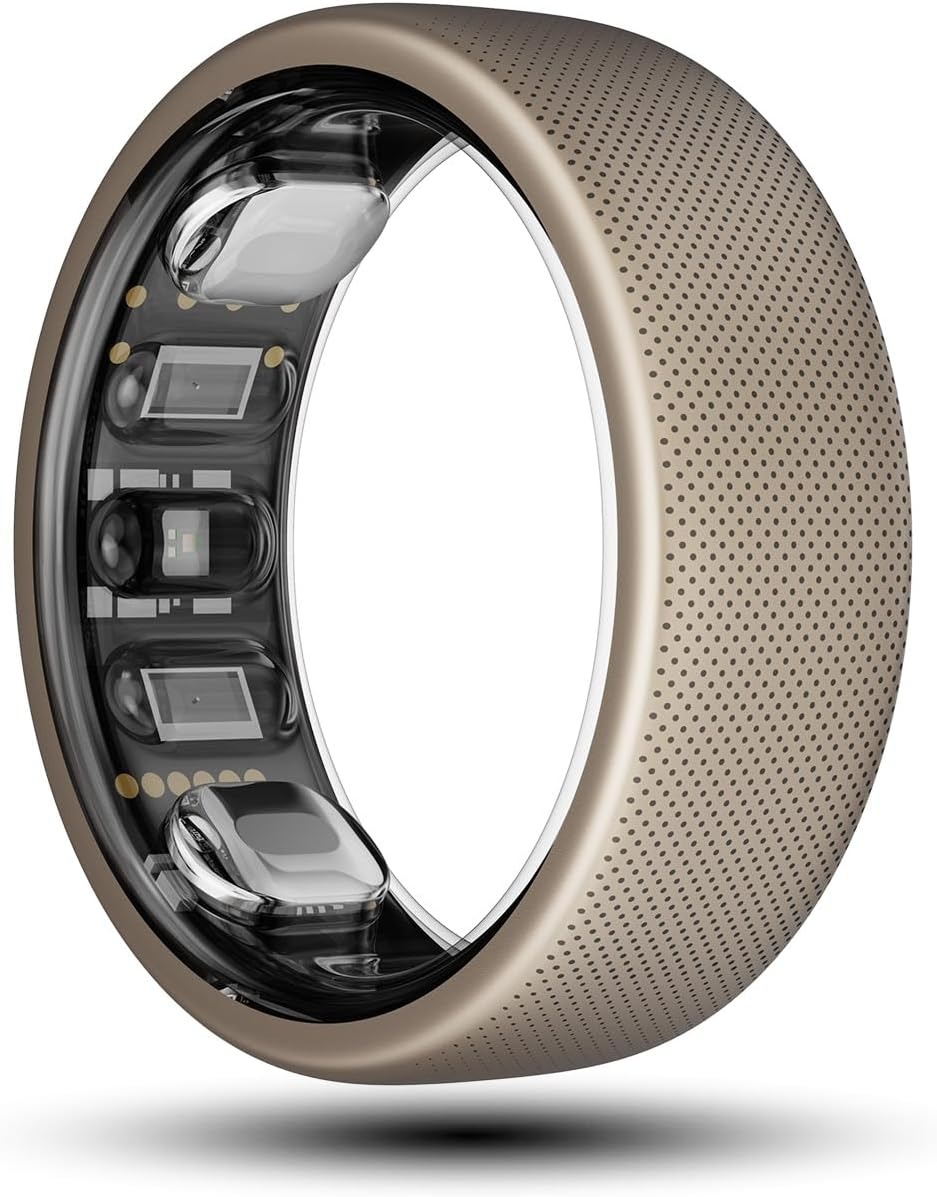 | |
| Best For | Overall smart ring | Best value & sleep apnea awareness | Best women-focused health & cycle | Best lightweight budget choice | Best for recovery & metabolic focus |
| Subscription | No | Yes (monthly) | No | No | No |
| Battery LIfe | ~12 days | Up to ~8 days | ~10–12 days | Mid-range | ~10 days |
| Charging | charging case | Tabletop dock | Portable charging case | Dock | Dock |
| Health | Sleep apnea + general wellness | General wellness, sleep, activity | Sleep, readiness, activity trends | Recovery, stress, metabolism | Sleep + activity + Galaxy AI |
| Look & Feel | Thin and minimal | Most jewelry-like | Ultra-thin, minimal | Open, adjustable band | Slim, simple |
| Price |  | | | | |
✅ What Smart Rings Do Well (Why They’re Worth It)
• Comfortable, 24/7 wearable monitoring
Smart rings shine because they’re easy to forget you’re wearing — unlike bulky watches or bands. That matters a lot for sleep tracking, overnight HR/HRV, or long-term health monitoring without extra discomfort or distraction.
Because they’re worn on a finger (close to blood vessels), their sensors often get stable contact and good readings during rest and sleep, which is ideal for measuring resting heart rate, HRV, SpO₂, temperature — data that’s difficult to get well from wrist wearables while sleeping.
• Good for sleep, recovery, stress, long-term health trends
Smart rings offer sleep staging, sleep quality, HR/HRV, resting vitals, and (in many) stress or recovery scores. These metrics, tracked over weeks/months, can help you spot patterns: e.g. how late nights, caffeine, or travel affect your sleep; when you’re under-recovered; or when chronic stress may be building.
Many health experts and reviewers note that rings produce fewer false positives for sleep tracking than wrist-based trackers (less movement interference), making them especially valuable for accurate sleep, rest, and recovery measurement.
• Discreet, low-maintenance, lifestyle-friendly
Smart rings are more “wear-it-and-forget-it” than other wearables. They don’t ping constantly with notifications, don’t block wrist movement, and you don’t need to charge them every night like a smartwatch (many last several days). That makes them ideal for people seeking wellness tracking without becoming “techwearable-heavy.”
• Useful for people not obsessed with sports/fitness — regular folks, professionals, shift workers, frequent travelers
If you’re not a marathon runner, but you worry about stress, sleep hygiene, or just want to monitor overall health trends — smart rings give a hands-free, low-effort way to collect consistent data long-term. For many such “wellness-first” users, that’s the exact sweet spot where rings outperform watches.
| Products | Oura Ring 4 | RingConn Gen 2 | Samsung Ring | RingConn Gen 2 Air | Ultrahuman Ring Air |
|---|---|---|---|---|---|
| | | | | |
| Best For | Overall smart ring | Best value & sleep apnea awareness | Best women-focused health & cycle | Best lightweight budget choice | Best for recovery & metabolic focus |
| Subscription | No | Yes (monthly) | No | No | No |
| Battery LIfe | ~12 days | Up to ~8 days | ~10–12 days | Mid-range | ~10 days |
| Charging | charging case | Tabletop dock | Portable charging case | Dock | Dock |
| Health | Sleep apnea + general wellness | General wellness, sleep, activity | Sleep, readiness, activity trends | Recovery, stress, metabolism | Sleep + activity + Galaxy AI |
| Look & Feel | Thin and minimal | Most jewelry-like | Ultra-thin, minimal | Open, adjustable band | Slim, simple |
| Price | | | | | |
⚠️ What Smart Rings Still Can’t (or Shouldn’t) Do — Their Limitations
• Not a replacement for medical or precise diagnostic tools
While smart rings are improving, their measurements (HR, HRV, sleep staging, SpO₂, temperature) are still estimates, not medical-grade readings. Studies have found variability in sleep-phase detection across devices.
If you need clinical-grade data (e.g. for diagnosing sleep apnea, heart conditions, or serious health risks) — a ring alone won’t cut it. Think of it as “personal wellness tracking,” not a medical tool.
• Not ideal for serious training, real-time metrics, or high-intensity workouts
Because smart rings don’t provide GPS, pace, split times, detailed motion metrics, or reliable real-time tracking — they’re not a replacement for a dedicated fitness watch. For serious athletes, rings are best as secondary wearables: for recovery and health tracking, not performance tracking.
Also, during intense activity or rapid motion, sensor readings (HR, SpO₂) may be less reliable than at rest.
• Quality varies — not all rings are equal
The big risk is buying a poorly-built ring: cheap materials, bad sensors, short battery life, poor software. That often leads to inaccurate data, charging hassles, or even durability problems. As health-device reviews put it: success depends heavily on how well the ring is built and how consistently you wear it.
• Data is only useful if you use it meaningfully
A ring that sits on your finger but whose data you ignore is useless — the real value comes from checking trends, reflecting on what affects your sleep, lifestyle, stress, and adjusting your habits. If you treat it like a fashion accessory, you’ll get fashion-level benefit — not health-level insight.
🧑⚕️ Who Should Buy a Smart Ring in 2026 — And Who Should Skip It
🎯 Great Candidates (Rings Are Worth It)
- People who care about sleep quality, recovery, stress, or overall wellness more than workouts or fitness metrics.
- Shift workers, night-shift staff, frequent travelers, parents — anyone with irregular sleep or demanding schedules.
- People who dislike bulky wearables — the ring’s discreetness and comfort make it easy to wear 24/7.
- Users who want long-term health trend data (sleep patterns, resting HR, HRV, stress) rather than instant, real-time metrics.
- People looking for a low-maintenance wearable that quietly tracks health without notifications, screens, or daily charging.
🛑 Less Ideal Candidates (Maybe Skip Rings)
- Serious athletes, runners, cyclists, or anyone who needs real-time training metrics, GPS, pacing, or split tracking.
- People needing medical-grade data (diagnosis, monitoring serious conditions) — rings can inform, but not replace doctors or clinical tools.
- Users who don’t commit to long-term wear — if the ring stays in a drawer, it delivers no value.
- Those seeking all-in-one wearables with lots of features (calls, messaging, apps, workout tracking). Rings are too focused — by design.
🧠 How to Get the Most Value Out of a Smart Ring
If you decide to buy one — here’s how to make sure it’s worth it:
- Wear it consistently — 24/7 if possible. Data quality improves with time and continuity (sleep, recovery, stress cycles).
- Use the data to inform habits — check what affects your sleep or stress (sleep time, caffeine, alcohol, screen time) and experiment with adjustments.
- Focus on trends, not day-to-day fluctuations — don’t overreact to one poor night of sleep; use long-term patterns to guide lifestyle changes.
- Complement, don’t rely solely on it — pair a ring’s insights with good sleep hygiene, healthy habits, and professional care if needed.
- Pick a quality ring from a reviewed brand — avoid “cheap tech” rings with spotty sensors or poor build quality; those are more likely to disappoint.
🧾 FAQ — What People Ask Before Buying a Smart Ring in 2026
Q: Are smart rings accurate for sleep tracking and heart-rate monitoring?
A: Yes — many smart rings deliver reasonably accurate resting heart rate, HRV, and sleep-stage estimates, especially when worn snugly overnight. However, accuracy isn’t perfect, and there’s variability between models. PMC+2MDPI+2
Q: Can a smart ring replace a smartwatch or fitness tracker?
A: Not really — rings excel at passive health monitoring (sleep, recovery, stress), but they don’t offer real-time tracking, detailed workout metrics, GPS, or myriad smartwatch apps. They’re more of a complement than a full replacement.
Q: Will a smart ring help me improve my sleep or stress?
A: Potentially yes — by giving you consistent data on sleep quality, HRV, recovery, and stress patterns, a ring helps you notice how lifestyle choices impact health, and adjust accordingly. But it requires you to act on the data.
Q: Are smart rings worth the cost?
A: If you wear the ring regularly and actually use its data to shape habits — yes. Over time, the value lies in insights and behavior change, not the gadget itself. If you only wear it occasionally — maybe not.
Q: Is there any risk to using a smart ring?
A: Minimal — mostly related to over-relying on it for health decisions. The real risk is mistaking ring data for a diagnosis. Smart rings are tools for awareness, not medical tools.
🧾 Final Thoughts: Smart Rings in 2026 — Worth It, With Clear Intent
In 2026, smart rings are more than just novelty wearables — they’re useful tools for long-term health tracking, sleep improvement, and subtle wellness awareness.
If you wear one consistently, treat the data as a compass (not gospel), and combine it with good habits — a ring can pay off big.
But if you want flashy features, real-time training data, or medical-grade accuracy — you’d still be better off with a smartwatch or specialized device.
Smart rings are worth it — for the right person, with the right expectations.
Other Interesting Articles
- Top 5 Best Smart Rings for Men
- Best Smart Ring for Women: Top 5 Picks Ranked
- RingConn 2 vs Oura 3: Which Smart Ring Is Actually Better for Your Life?
- RingConn 2 vs Ultrahuman Ring (Ring Air): Which Smart Ring Fits You Better
- RingConn 2 vs Oura 4: Which Smart Ring Really Fits Your Life (and Wallet)?
- RingConn 2 vs RingConn 2 Air: The No-BS Guide to the Best Budget Smart Ring
About the Author
At Trimflo, I’m obsessed with the gear that actually makes a difference—whether that’s a smart ring, a weighted vest, or something you wear every day without thinking about it. Every recommendation here is based on real specs, independent testing, and long-term cost so you can confidently know if smart rings are worth it in 2026.