I'm a participant in the Amazon Services LLC Associates Program, an affiliate advertising program designed to provide a means for me to earn fees by linking to Amazon.com and affiliated sites.
The right smart ring size should feel snug but never tight, stable without squeezing, and comfortable enough to wear 24/7 — especially overnight. The #1 mistake new owners make is choosing their jewelry size instead of their smart ring size. These two are not the same, and getting it wrong affects comfort, sensor accuracy, and long-term wearability. Our smart ring sizing guide will help you choose the right one.
Why this matters:
A perfectly sized ring means:
- Better sleep tracking
- More accurate HR/HRV readings
- Less twisting/spinning
- No soreness
- No slipping when your hands get cold
This smart ring sizing guide walks you through everything you must know before ordering.
| Products | Oura Ring 4 | RingConn Gen 2 | Samsung Ring | RingConn Gen 2 Air | Ultrahuman Ring Air |
|---|---|---|---|---|---|
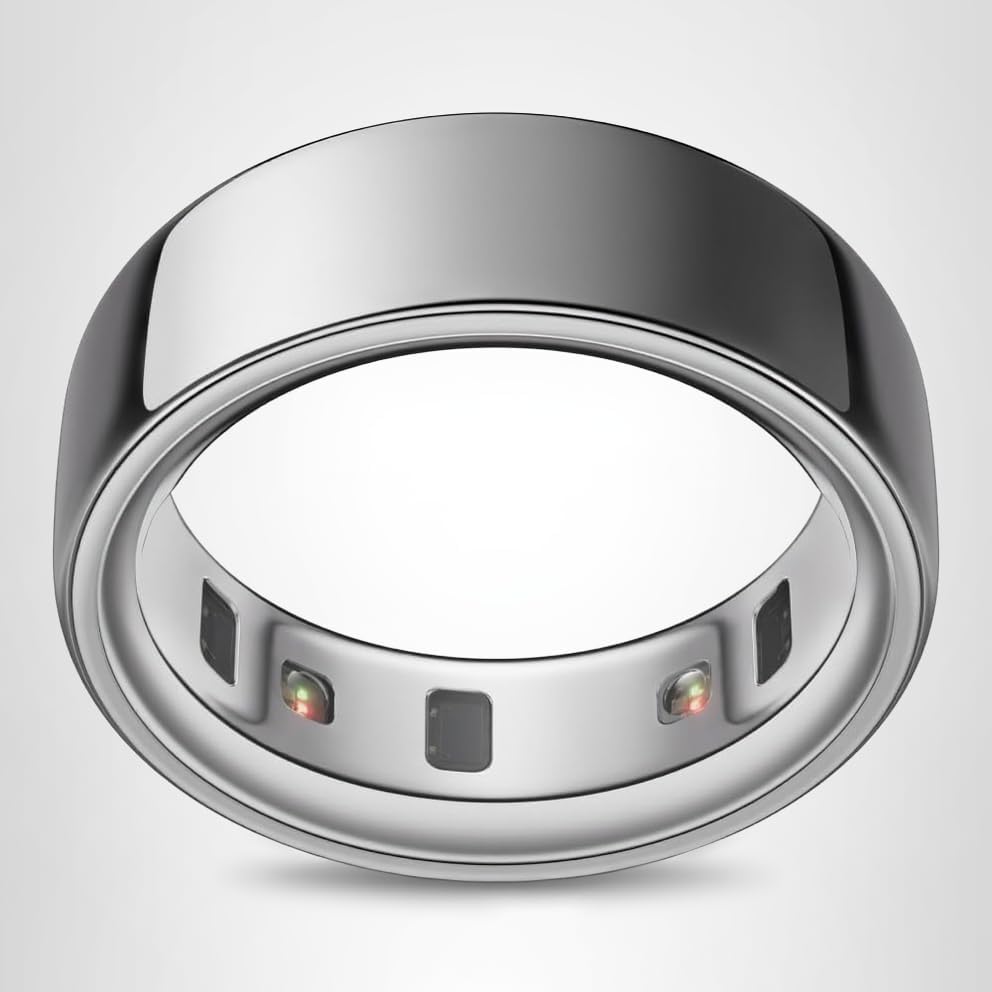 | 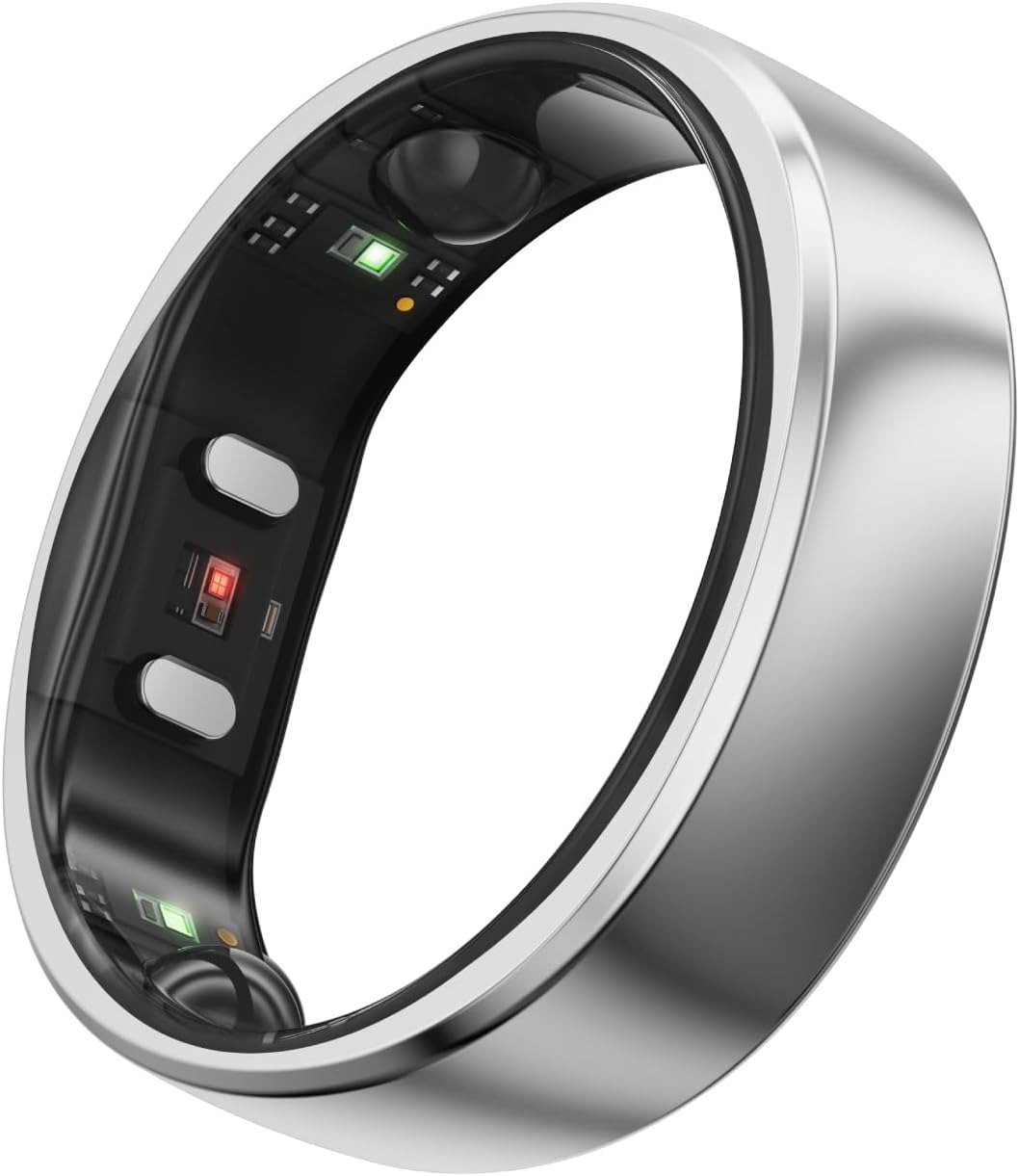 | 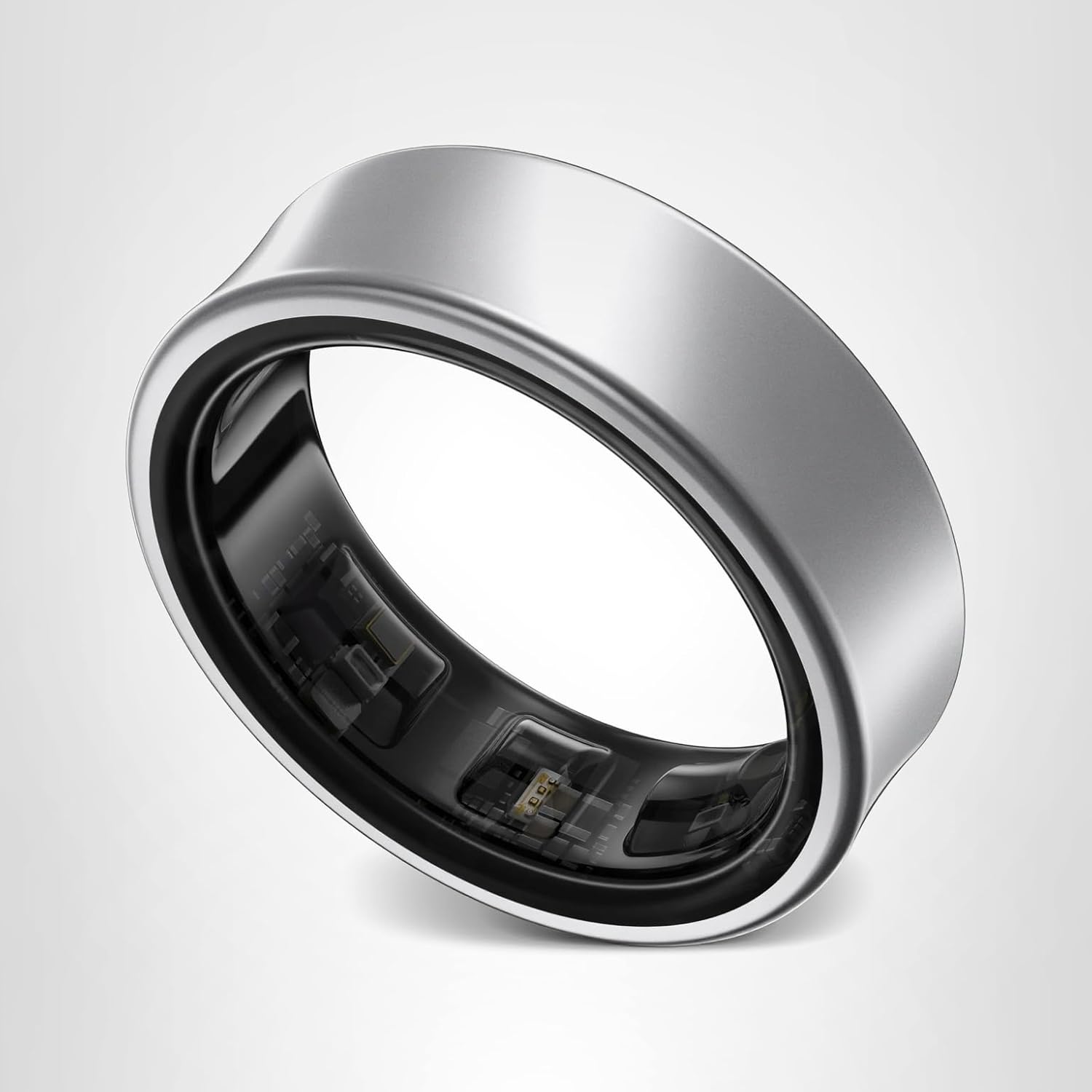 | 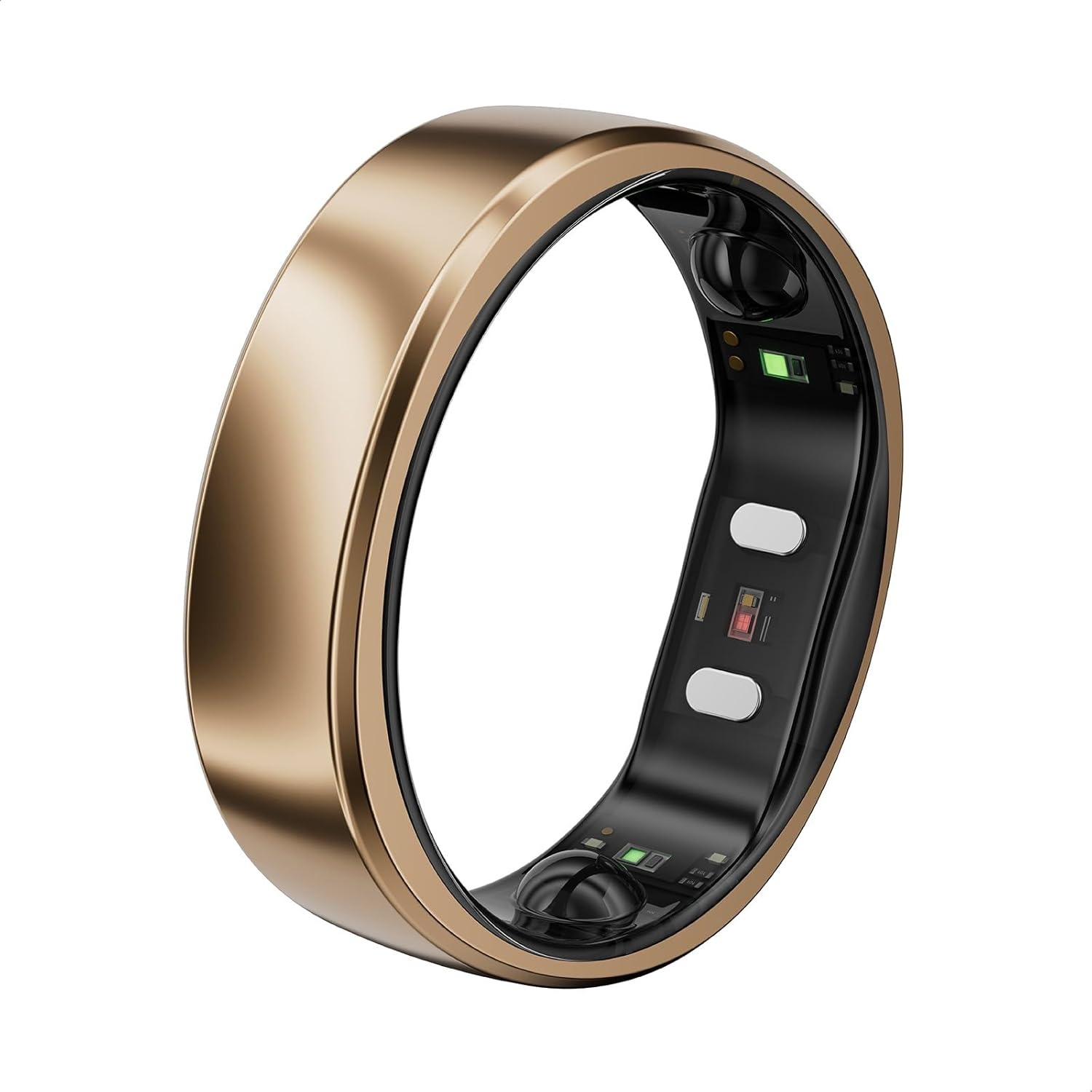 | 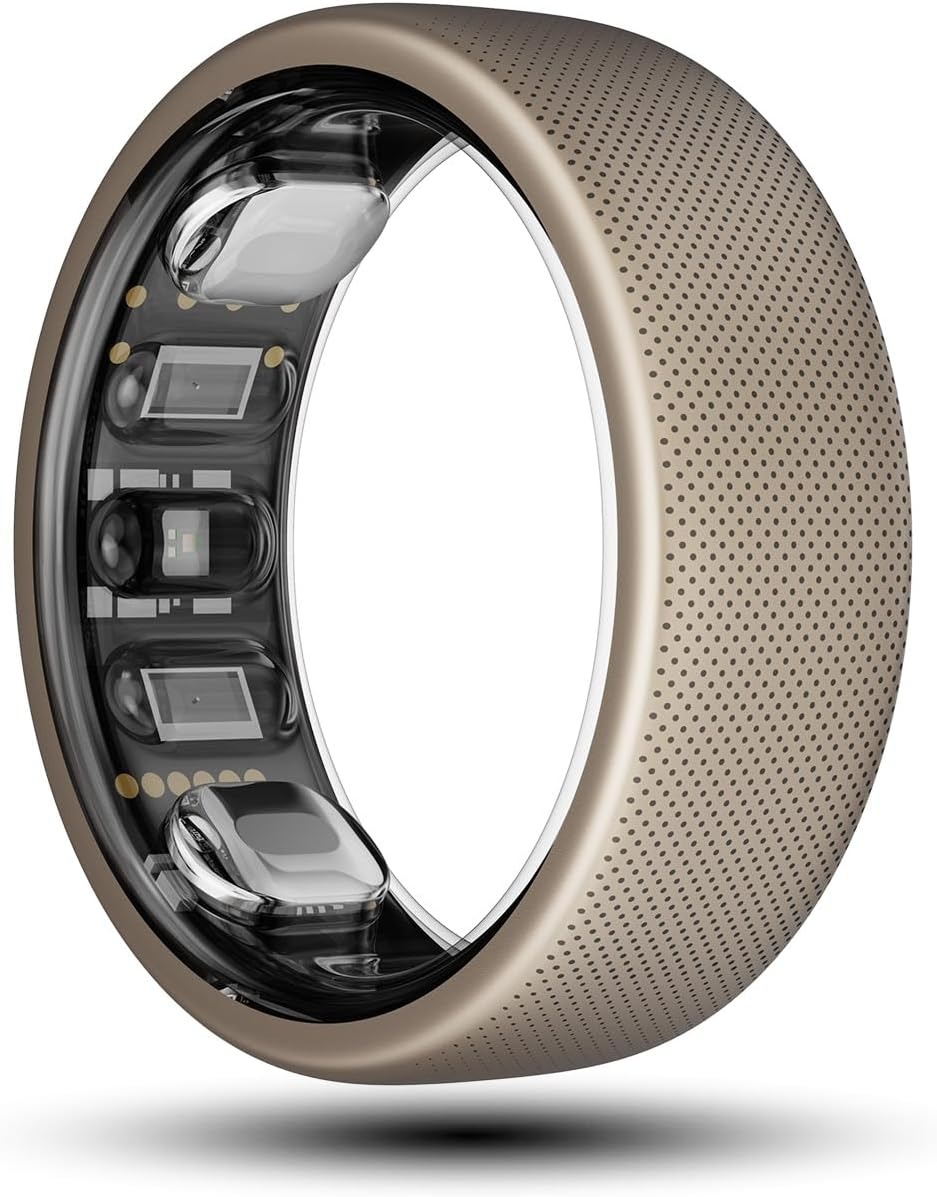 | |
| Best For | Overall smart ring | Best value & sleep apnea awareness | Best women-focused health & cycle | Best lightweight budget choice | Best for recovery & metabolic focus |
| Subscription | No | Yes (monthly) | No | No | No |
| Battery LIfe | ~12 days | Up to ~8 days | ~10–12 days | Mid-range | ~10 days |
| Charging | charging case | Tabletop dock | Portable charging case | Dock | Dock |
| Health | Sleep apnea + general wellness | General wellness, sleep, activity | Sleep, readiness, activity trends | Recovery, stress, metabolism | Sleep + activity + Galaxy AI |
| Look & Feel | Thin and minimal | Most jewelry-like | Ultra-thin, minimal | Open, adjustable band | Slim, simple |
| Price |  | | | | |
✅ Smart Ring Sizing Guide
How to Choose the Right Fit (and Avoid Costly Mistakes)
1. Understand that smart ring sizing ≠ jewelry sizing
This is the biggest mistake new buyers make.
Jewelry rings are sized for occasional wear.
Smart rings are sized for continuous wear, including sleep, showers, workouts, daily swelling, and temperature changes.
That means:
- You might go up a half-size
- You might go down depending on sensor placement
- You should choose based on comfort AND accuracy
Don’t assume your typical ring size applies here.
2. Choose your sizing finger wisely
Different fingers give different results.
Best choices for most people:
- Index finger: stable, great sensor contact
- Middle finger: reliable blood flow, good for accuracy
Fingers to avoid (if possible):
- Pinkies: too narrow, poor sensor connection
- Thumbs: inconsistent shape and swelling
- Pros-only: Ring finger can work but varies heavily by anatomy
Pick a finger with even pressure, stable shape, and good circulation.
3. Measure at multiple times of day
Your finger size changes constantly, so measure:
- Morning (when fingers are smallest)
- Afternoon (when they swell)
- Evening
- After a walk
- After washing hands
- After sitting in AC
Smart ring fit must account for:
- Cold shrinkage
- Heat swelling
- Hydration
- Activity
If your size jumps between two measurements → you probably need the larger of the two.
| Products | Oura Ring 4 | RingConn Gen 2 | Samsung Ring | RingConn Gen 2 Air | Ultrahuman Ring Air |
|---|---|---|---|---|---|
| | | | | |
| Best For | Overall smart ring | Best value & sleep apnea awareness | Best women-focused health & cycle | Best lightweight budget choice | Best for recovery & metabolic focus |
| Subscription | No | Yes (monthly) | No | No | No |
| Battery LIfe | ~12 days | Up to ~8 days | ~10–12 days | Mid-range | ~10 days |
| Charging | charging case | Tabletop dock | Portable charging case | Dock | Dock |
| Health | Sleep apnea + general wellness | General wellness, sleep, activity | Sleep, readiness, activity trends | Recovery, stress, metabolism | Sleep + activity + Galaxy AI |
| Look & Feel | Thin and minimal | Most jewelry-like | Ultra-thin, minimal | Open, adjustable band | Slim, simple |
| Price | | | | | |
4. The ring should be snug, not tight
A perfect smart ring fit allows you to:
- Twist the ring slightly
- Remove it without pain
- Wear it all day without pressure marks
- Sleep without noticing it
But it should NOT:
- Spin freely
- Slide off with ease
- Leave deep indentations
- Pinch when hands swell
Aim for secure but gentle.
5. Use a sizing kit — but test it correctly
If your brand offers a sizing kit, treat it seriously.
Here’s how to use it like a pro:
- Wear each candidate size for at least 2–3 hours
- Test typing, cooking, holding a steering wheel
- Try it during a walk
- Wear it while sleeping if possible
- Wash your hands & check comfort after
Most people mistake sizing kits for “try it on once” tools.
They’re meant for activity testing, not quick guessing.
6. Temperature matters more than you think
Your hands shrink when cold and swell when warm.
So, before sizing:
- Don’t measure right after being outdoors
- Don’t measure after showering
- Don’t measure after exercise
- Don’t size while dehydrated
Smart rings need to survive every temperature scenario, not just a single moment.
7. Sensors need steady skin contact
Loose rings = inaccurate readings.
Too-tight rings = discomfort and irritation.
For ideal sensor contact, the ring should:
- Stay in place when your arm hangs down
- Not rotate while walking or sleeping
- Make steady contact with the underside of your finger
Good contact = good data.
8. Pick your band width carefully
Smart rings vary in thickness — some slim, some wide.
Wider bands:
- More stable
- Better contact
- But less comfy for small hands
Slimmer bands:
- More comfortable
- More jewelry-like
- Slightly less stable during vigorous motion
The best choice depends on:
- Finger size
- Hand shape
- Comfort preference
- Sensitivity to pressure
9. If you’re between sizes, choose the larger one
Most people who regret their purchase say this:
“I should have gone up one size.”
Reasons to size up:
- Hot weather
- Exercise swelling
- Salt/water retention
- Long-term wearing
A too-tight smart ring becomes impossible to tolerate during hot days.
But avoid sizing up more than necessary — accuracy drops when the ring spins.
10. Consider finger shape and knuckle size
Two finger types exist:
Type A: Larger knuckle, thinner base
- Ring passes knuckle snugly
- Feels loose at the base
- Choose a size that balances both
Type B: Uniform shape
- Easy sizing
- Most accurate for rings
If your knuckle is significantly bigger than your finger base:
- Choose a size that is tight on the knuckle but not painful
- A loose base is normal — sensor contact still works if the top fits well
11. Test comfort during sleep
Smart rings live on your hand at night.
Before buying:
- Try wearing a similarly sized ring overnight
- Check for irritation, heat, dryness, or numbness
- See if it catches on blankets or hair
If you can’t tolerate a ring while sleeping, a smart ring may not be your ideal wearable.
12. Remember: dominant vs. non-dominant hand
Your dominant hand:
- Swells more
- Moves more
- Has more friction
- Is more prone to discomfort
If you’re sensitive, choose the non-dominant hand.
13. Plan for workouts
Sweat = swelling + skin friction.
A good workout fit should:
- Stay put
- Not feel constricting
- Not slide during kettlebells or deadlifts
- Not flap or twist during running
If you lift weights heavy enough to risk pressure on your fingers —
you may want a size that’s slightly more forgiving.
14. Check for skin sensitivity
Smart rings use coatings, metals, or alloys.
Before buying, make sure you’re comfortable with:
- Metal contact
- Conductive skin pads
- Internal sensor bumps
- Long-term wear
People with sensitive skin should look for smoother interior finishes.
15. Visual appearance still matters
You’re wearing this every day — comfort is #1, but aesthetics is #2.
Consider:
- Color
- Width
- Shape
- Jewelry compatibility
- Work dress code
You’re more likely to wear a ring you actually love the look of.
🧠 Final Thoughts
The perfect smart ring size is the one you barely notice — comfortable, consistent, and secure enough for accurate data.
Think:
- Snug, not tight
- Stable, not spinning
- Comfortable in all temperatures
- Wearable for sleep, work, showers, and workouts
If you choose a ring based on your everyday lifestyle — not just a measurement — you’ll avoid the #1 new-owner mistake and end up with a device you truly enjoy wearing.
Other Interesting Articles
- Top 5 Best Smart Rings for Men
- Best Smart Ring for Women: Top 5 Picks Ranked
- RingConn 2 vs Oura 3: Which Smart Ring Is Actually Better for Your Life?
- RingConn 2 vs Ultrahuman Ring (Ring Air): Which Smart Ring Fits You Better
- RingConn 2 vs Oura 4: Which Smart Ring Really Fits Your Life (and Wallet)?
- RingConn 2 vs RingConn 2 Air: The No-BS Guide to the Best Budget Smart Ring
👤 About the Author
Trimflo is your go-to expert for wearable fitness tech, recovery gear, and modern health tools — giving readers clear, trustworthy guidance in a fast-evolving wellness world.