
I'm a participant in the Amazon Services LLC Associates Program, an affiliate advertising program designed to provide a means for me to earn fees by linking to Amazon.com and affiliated sites.
If you’re comparing RingConn 2 vs Ultrahuman Ring (Ring Air), here’s the bottom line:
👉 Pick RingConn 2 if you want a long-battery, subscription-free smart ring with great sleep/health tracking and travel-friendly charging.
👉 Pick Ultrahuman Ring if you care more about a polished app experience, recovery & metabolic-focused insights, and want a ring that leans toward performance and lifestyle optimization.
Why this matters: the ring you pick now becomes a daily wellness companion — how it tracks sleep, stress, recovery, and lifestyle habits can shape your health long-term. Choosing the right one means you get the data that matches your goals (wellness vs performance) — and avoid paying for features you don’t care about.
RingConn 2 vs Ultrahuman: Comparison Table
| RingConn 2 | Ultrahuman Ring (Ring Air) |
|---|---|
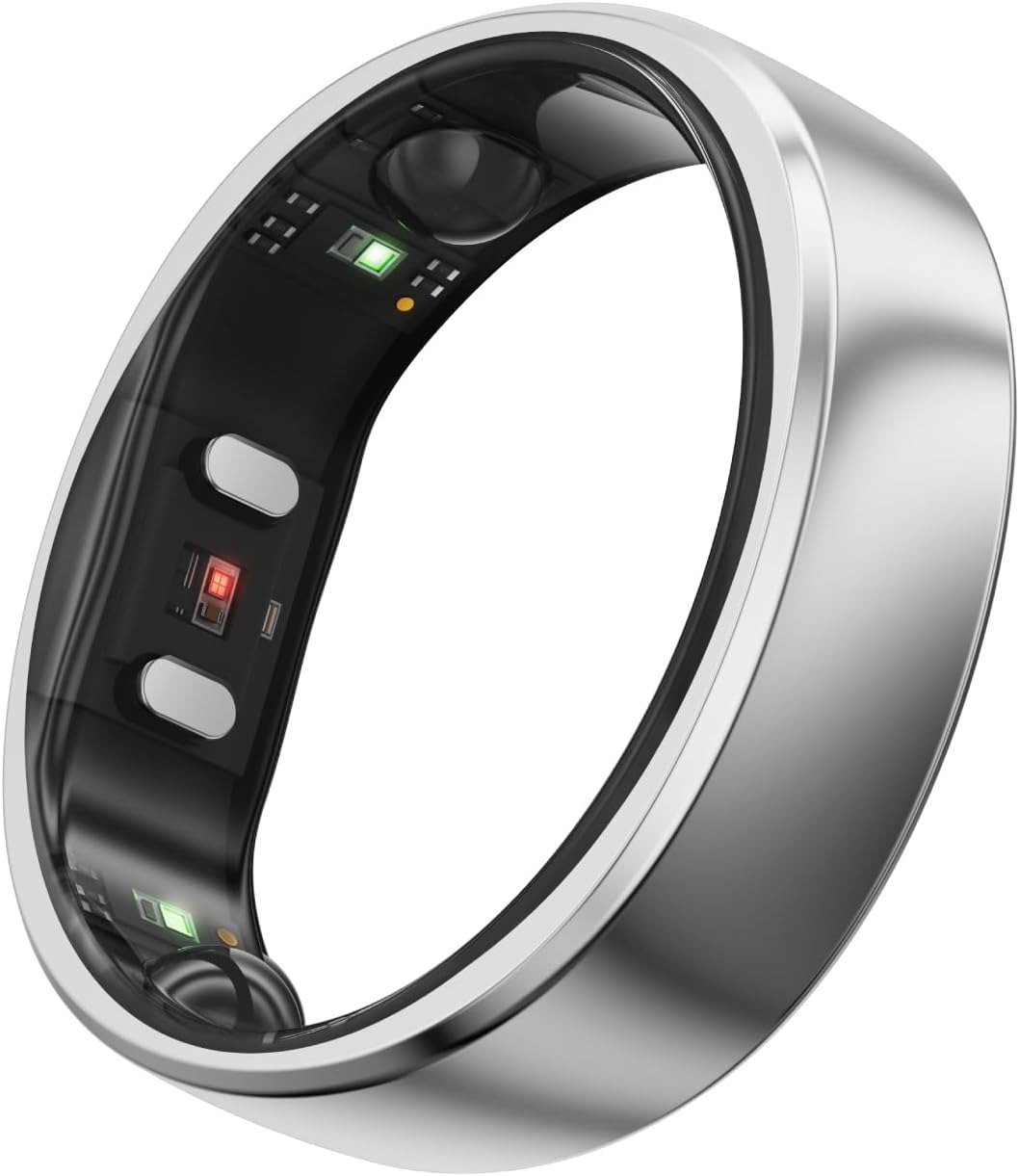 | 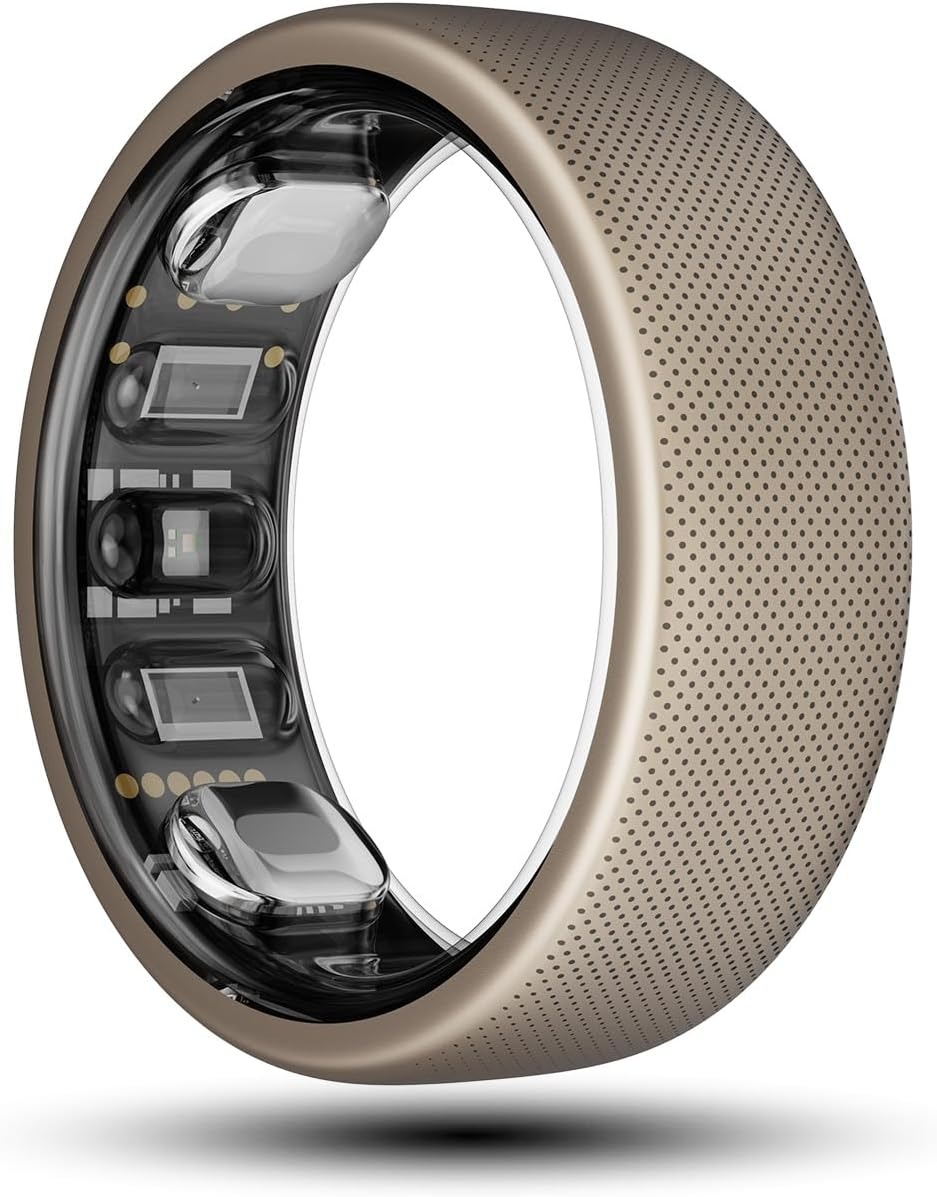 |
| Best for value, battery & everyday wellness | Best for recovery, metabolic tracking & lifestyle optimization |
| Slim, 2 mm titanium design | Slightly thicker titanium-based design |
| Weight ~2–3g | Weight ~2.4–3.6g (varies by size/finish) |
| Battery ~10–12 days | Battery shorter (requires more frequent charging) |
| Portable charging case | Standard charging dock |
| No subscription fees | Some advanced features may require subscription or add-ons |
| Sleep, HR, HRV, skin temp, stress, recovery tracking | Sleep, HR, HRV, skin temp, recovery, metabolic/lifestyle insights |
| Simple data + raw charts & metrics | Polished app, actionable insights, lifestyle-focused metrics |
 | |
⭐ Quick Snapshot (Scores, Who It’s For, Fast Facts)
RingConn 2 — Scorecard
- Overall: 9.0/10
- Design & Comfort: Very Good
- Features & Tracking: Very Good
- Battery & Charging: Excellent
- Value (No Subscription): Excellent
Best for:
- People who dislike subscription fees
- Frequent travelers (thanks to portable charging case)
- Users who want solid sleep + stress + vitals tracking for everyday wellness
- Anyone seeking long-term value without recurring costs
Quick Facts (RingConn 2)
- Material: Titanium (slim 2 mm profile)
- Weight: ~2–3g
- Battery: ~10–12 days per charge
- Charging: Portable charging case (travel-friendly)
- Water Resistance / daily wear: Full ring-grade protections (comparable to others)
- Subscription: None
Ultrahuman Ring (Ring Air) — Scorecard
- Overall: 8.7/10
- Design & Comfort: Very Good
- Features & Tracking: Good (with emphasis on recovery/metabolic tracking)
- Battery & Charging: Good
- Value (Subscription-Optional): Good
Best for:
- People focused on recovery, metabolic health, lifestyle optimization, and overall wellness data depth
- Users who value a slick user experience and insights from app analytics
- Those who want a ring as part of a broader health / performance toolkit
Quick Facts (Ultrahuman Ring)
- Material & build: Titanium-based ring, ~2.4–3.6g depending on size and finish
- Battery: Moderate — typical smart-ring battery span (but shorter than RingConn 2)
- Charging: Standard charging dock (no portable charging case)
- Subscription Model: Some advanced features (e.g. metabolic modules, “PowerPlugs”) may be optional / paid — depending on plan.
| RingConn 2 | Ultrahuman Ring (Ring Air) |
|---|---|
| |
| Best for value, battery & everyday wellness | Best for recovery, metabolic tracking & lifestyle optimization |
| Slim, 2 mm titanium design | Slightly thicker titanium-based design |
| Weight ~2–3g | Weight ~2.4–3.6g (varies by size/finish) |
| Battery ~10–12 days | Battery shorter (requires more frequent charging) |
| Portable charging case | Standard charging dock |
| No subscription fees | Some advanced features may require subscription or add-ons |
| Sleep, HR, HRV, skin temp, stress, recovery tracking | Sleep, HR, HRV, skin temp, recovery, metabolic/lifestyle insights |
| Simple data + raw charts & metrics | Polished app, actionable insights, lifestyle-focused metrics |
| |
🔬 How We Compared RingConn 2 vs Ultrahuman Ring (Methodology)
This comparison is based on:
- Official specs and product data (materials, weight, battery life, charging setup) from manufacturer-listed data.
- Independent third-party comparisons and reviews of smart rings analyzing design, tracking accuracy, battery and comfort.
- Real-user feedback and community reports on comfort, battery, tracking data quality, and long-term usability.
- Market positioning and feature sets of both rings to highlight differences in use-case focus (wellness vs performance/metabolic insight).
🎯 Where RingConn 2 and Ultrahuman Ring Sit in the Smart-Ring Market
The high-end smart-ring market is split between:
- “Wellness & lifestyle rings” — rings that aim for long-term health tracking, sleep, recovery, stress, daily life integration.
- “Performance & optimization rings” — devices that try to deliver metabolic, recovery, activity, and lifestyle optimization for fitness-minded users or biohackers.
RingConn 2 leans toward the first group: balanced tracking, long battery and no ongoing cost, ideal for users focused on sleep, stress, vitals — a stable baseline.
Ultrahuman Ring leans toward the second: a more data-rich ecosystem, recovery metrics, metabolic awareness, and tools for optimization.
Ultrahuman vs RingConn 2: Design, Comfort & Everyday Wear
RingConn 2
- Thin 2 mm profile — among the slimmest smart rings available — making it feel close to a regular ring on your finger.
- Very light (~2–3g), so wearing it 24/7 (sleep, shower, daily use) is smooth and unobtrusive.
- The portable charging case helps if you travel or don’t have nightly charging habits — you can top up on the go.
- Overall finish and build quality feel premium. According to reviewers, it feels closer to a normal ring than “tech gadget.”
Ultrahuman Ring (Ring Air)
- Also relatively slim and lightweight (ring ~2.4–3.6g depending on size/finish) — comfortable enough for continuous wear.
- Design feels minimal and subtle, which some users prefer if they wear rings regularly.
- Sizing options are decent (though smart rings rarely offer half-sizes) — a sizing kit is often advised before purchase.
- Because there’s no portable charging case, you’ll need to charge on a dock — which may matter if you travel often.
Design Verdict
If you want maximum comfort + travel-friendly convenience, RingConn 2 is slightly ahead.
If you prioritize subtle design and minimal look, Ultrahuman Ring is still a solid and comfortable choice.
RingConn 2 or Ultrahuman: Health, Sleep & Lifestyle Tracking Features
Both rings cover the foundations: sleep tracking (sleep stages, duration), heart rate / HRV, stress and recovery scores, skin temperature, sleep & activity logging, and overall wellness data.
What RingConn 2 Offers
- Emphasis on sleep, stress, recovery, vitals — solid for everyday wellness tracking including HR, HRV, SpO₂, temperature, sleep cycles, and stress data.
- For many users, RingConn offers a “more raw data” style: you get rich charts and metrics you can dive into, which appeals if you like to track improvements over time.
- Because there’s no subscription fee, you get full access to features without recurring expense — good for long-term, cost-conscious tracking.
What Ultrahuman Ring (Ring Air) Offers
- It leans toward recovery, metabolic health, and “optimization” — with features and insights designed for users who want to improve lifestyle, performance, or recovery (not just track sleep).
- Its app and interface tend to prioritize actionable insights and simplified summaries over raw charts — appealing if you prefer direct recommendations rather than digging through data.
- For people aiming for holistic health, recovery cycles, or fitness-adjacent metabolism tracking, Ultrahuman Ring positions itself as a “smart ring + lifestyle coach.”
Features Verdict
- Want wellness, sleep, stress tracking, long battery, simplicity, and no subscription → RingConn 2.
- Want recovery-centric data, metabolic/lifestyle tracking, app-driven insights, and performance optimization → Ultrahuman Ring.
Ultrahuman or RingConn 2: Battery, Charging & Long-Term Ownership
RingConn 2
- Battery: ~10–12 days on a single charge — among the best in smart rings.
- Charging: Portable case makes topping up on the go easy — especially useful if you travel or skip nightly charging.
- Ownership costs: One-time purchase, no subscription fees — better long-term value.
Ultrahuman Ring (Ring Air)
- Battery: shorter relative lifespan (typical smart-ring span), meaning more frequent charging.
- Charging: Requires dock; no portable charging case — less convenient for travel.
- Some advanced or optional features (PowerPlugs) may require extra payment/subscription depending on your plan.
Ownership Verdict
If battery life, convenience, and long-term value matter more than occasional “smart features,” RingConn 2 is a clear winner. If you’re willing to recharge more often for extra lifestyle data and app features, Ultrahuman Ring works — but expect more upkeep.
Pros & Cons
RingConn 2 — Pros & Cons
Pros
- Lightweight, slim titanium build that feels like a regular ring
- Long battery life (10–12 days) with portable charging case — ideal for travel or busy schedules
- Solid core health tracking: sleep, HR, HRV, skin temp, stress, recovery
- No subscription fees — one-time purchase for full functionality
- Great value for money if you want consistent wellness tracking
Cons
- App interface and insights are more “raw data and charts” — less polished than rivals
- Fewer “optimization-style” features (metabolic tracking, advanced recovery coaching) compared to performance rings
- For people seeking cutting-edge lifestyle metrics, it may feel basic
Ultrahuman Ring (Ring Air) — Pros & Cons
Pros
- Strong focus on recovery, metabolic health, lifestyle & wellness optimization
- App offers actionable insights rather than only raw metrics — easier for daily use and habit tracking
- Sleek, minimal design — comfortable for 24/7 wear and subtle enough for everyday use
- Good for users who want a “smart ring + lifestyle coach” rather than just a sleep tracker
Cons
- Battery life and charging convenience are weaker than RingConn 2 — more frequent charging required
- Advanced insights or plug-ins may come at extra cost/subscription — long-term value less certain
- For people who prefer stable, simple wellness tracking, the extra features may feel unnecessary or gimmicky
Major Differences & Use-Case Recommendations
Best for Long-Term Wellness & Value → RingConn 2
If you want a ring that just works: tracks sleep, heart/stress, offers good battery, and never charges you again — RingConn 2 wins.
Best for Performance, Recovery & Lifestyle Optimization → Ultrahuman Ring
If you love digging into metabolism, recovery, and daily trends to optimize how you sleep, train, and live — Ultrahuman’s more robust data/insight approach can be worth the extra upkeep.
Best for Travelers or Frequent Users → RingConn 2
Portable charging case + long battery = less dependence on nightly charging.
Best for Biohackers, Fitness Aficionados & Habit Hackers → Ultrahuman Ring
Data-driven recovery metrics, lifestyle insights, and a polished app — ideal for people who want more than basic tracking.
Budget-Conscious, First-Time Smart Ring Buyers → RingConn 2
Lower long-term cost, no subscriptions, solid everyday tracking — a great entry point.
Alternatives to Consider
- RingConn 2 Air — a more budget-focused version of RingConn with many core features at lower cost (but fewer bells and whistles). Good if you want entry-level tracking without overspending.
- Smartwatch or Fitness Band — if you want deeper workout data, GPS tracking, or on-the-go fitness monitoring. Rings excel at passive health tracking; bands/watch may be better for active lifestyle tracking.
- Other smart rings (third-party competitors) — depending on what you prioritize (sleep, fitness, battery, price). Always compare subscriptions, sensor suite, comfort, and charging experience.
FAQs – RingConn 2 vs Ultrahuman
Is RingConn 2 accurate enough compared with Ultrahuman Ring?
Yes — for core metrics (sleep, heart rate, HRV, stress), RingConn 2 provides solid data that many users and reviewers find reliable. For everyday wellness, it’s absolutely sufficient.
Does Ultrahuman Ring require a subscription to unlock full features?
Not always — basic tracking tends to be included, but some advanced features or optimization modules may be behind optional “PowerPlugs” or subscription layers depending on your plan.
Which ring has better battery life?
RingConn 2 — it offers around 10–12 days per charge, clearly outpacing Ultrahuman Ring’s more modest battery performance.
Is the Ultrahuman Ring worth the extra complexity and potential cost?
It depends. If you want just steady wellness tracking and simplicity, maybe not. But if you care about metabolic health, recovery optimization, and want more lifestyle-driven insights — Ultrahuman Ring could pay off.
Can either ring replace a fitness tracker or smartwatch for workouts?
Not really. Both rings are optimized for wellness, sleep and recovery tracking. Their activity/workout tracking isn’t as robust or accurate as a dedicated smartwatch or fitness band.
Other Interesting Articles
- What Size Weighted Vest Should I Get?
- Weighted Vest Workout: Build Strength, Burn Calories, and Boost Endurance
- Women’s Weighted Vest for Walking: Top Picks Tested by Fitness Experts
- Ladies Weighted Vest: Top Picks Tested by Fitness Pros
- Zelus vs Pacearth Weighted Vest — Which One Wins Your Next Workout?
- Zelus vs Apexup Weighted Vest — Which One Powers Your Next-Level Training?
- Zelus vs Prodigen Weighted Vest: Best Weighted Vest for Fat Loss
About the Author
Trimflo is your go-to source for wearable gear, wellness tech, and real-world reviews. We dig into specs, user experience, and long-term value — helping you pick gear that fits your lifestyle, not just what’s trending.
Whichever way you go — RingConn 2 or Ultrahuman Ring — this guide helps you match your choice to your goals, habits, and budget. Want to dive into a third option next (or compare all big rings)? Just say the word.