
I'm a participant in the Amazon Services LLC Associates Program, an affiliate advertising program designed to provide a means for me to earn fees by linking to Amazon.com and affiliated sites.
Smart rings are amazing: discrete, wearable health trackers that fit on your finger all day and night. But if you have small fingers or slim hands, many rings—designed for average or larger hands—can feel bulky, slide around, or simply not fit. This guide shows you what to look for (and avoid) to find a smart ring that actually works — comfortably, reliably, and in style.
Best Smart Ring for Small Fingers: Comparison Table
| Products | Oura Ring 4 | RingConn Gen 2 | Samsung Ring | RingConn Gen 2 Air | Ultrahuman Ring Air |
|---|---|---|---|---|---|
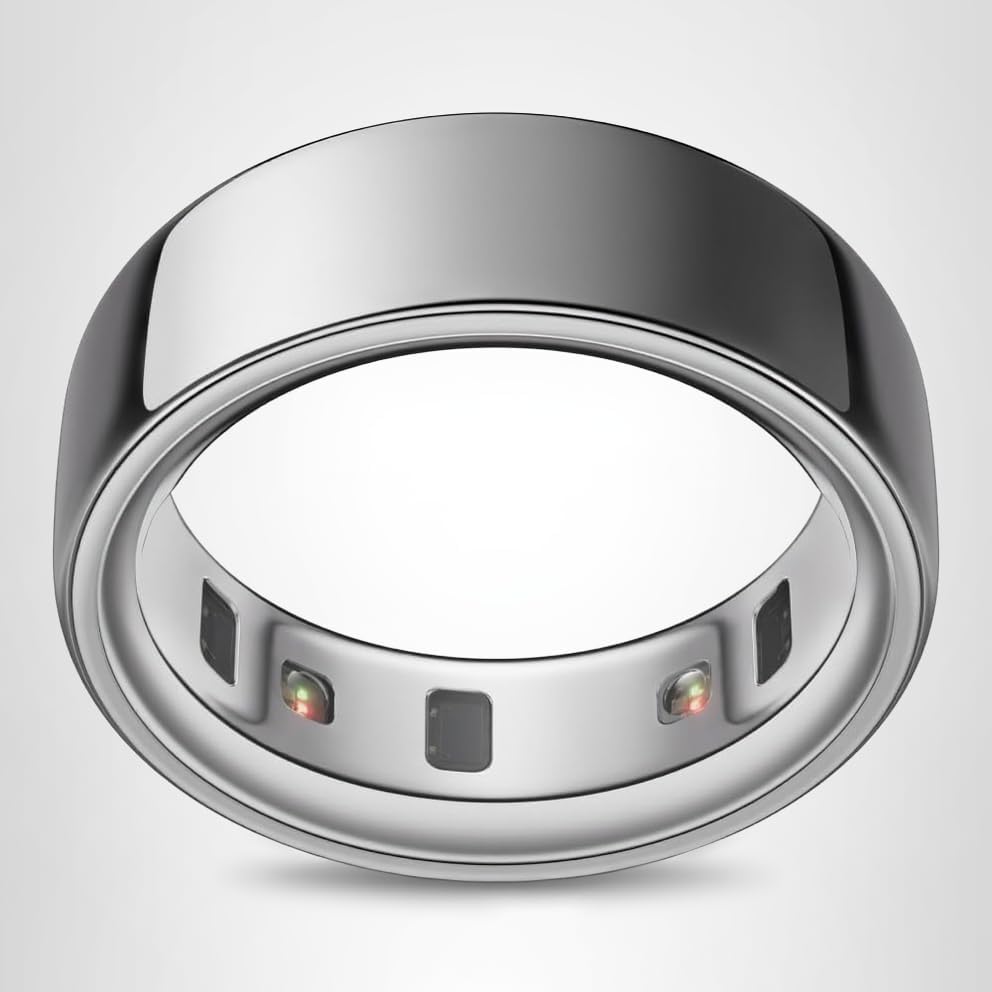 | 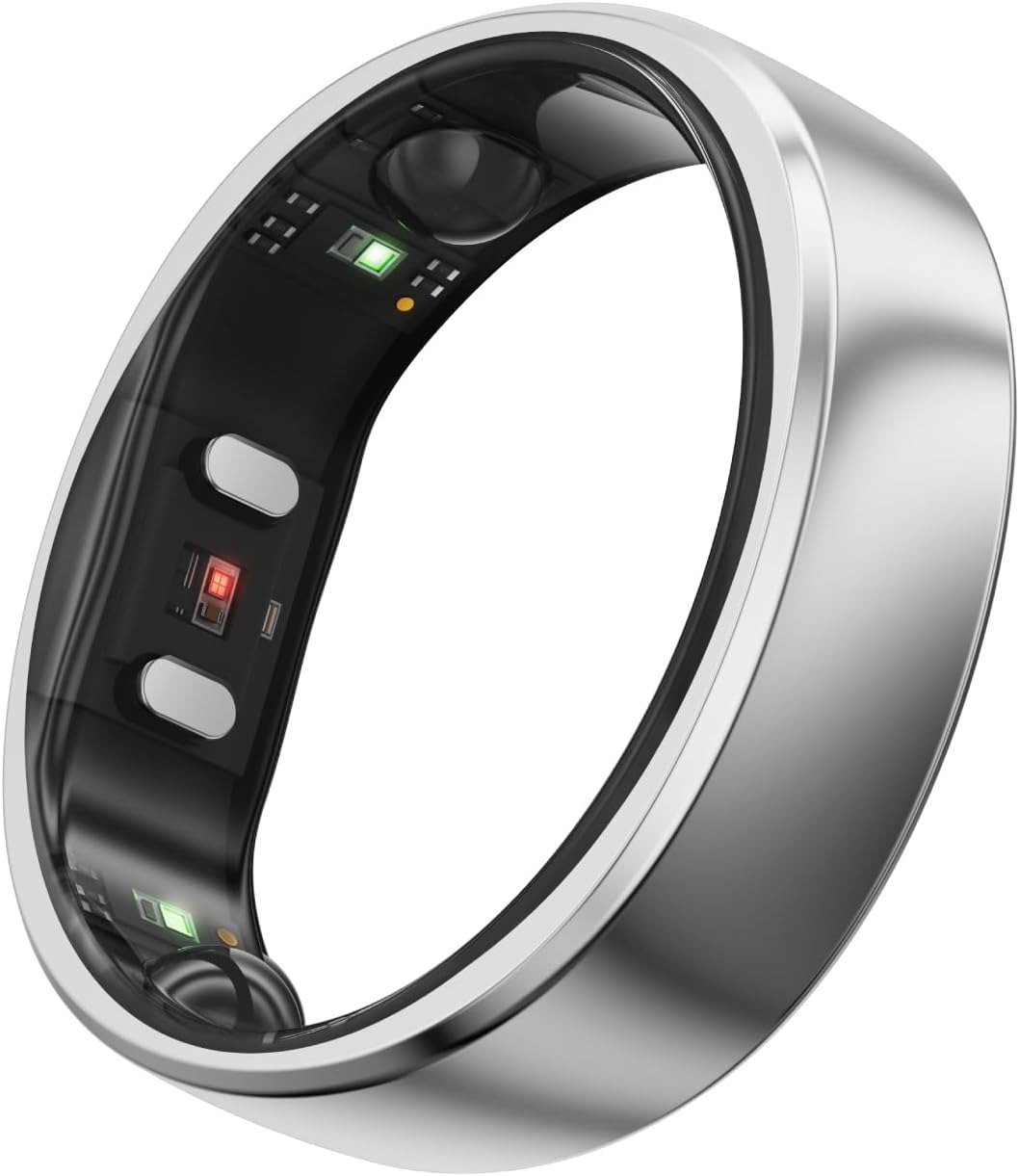 | 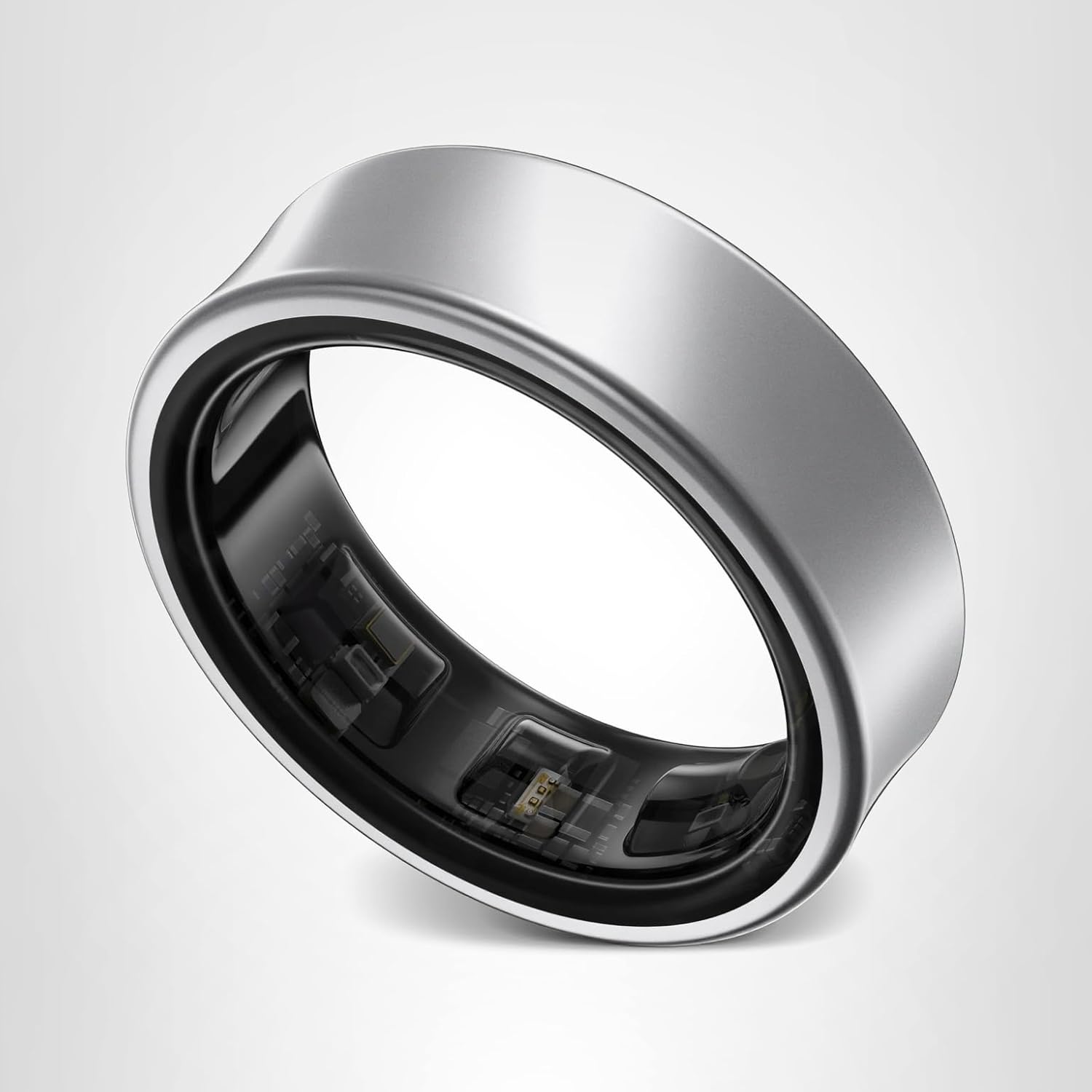 | 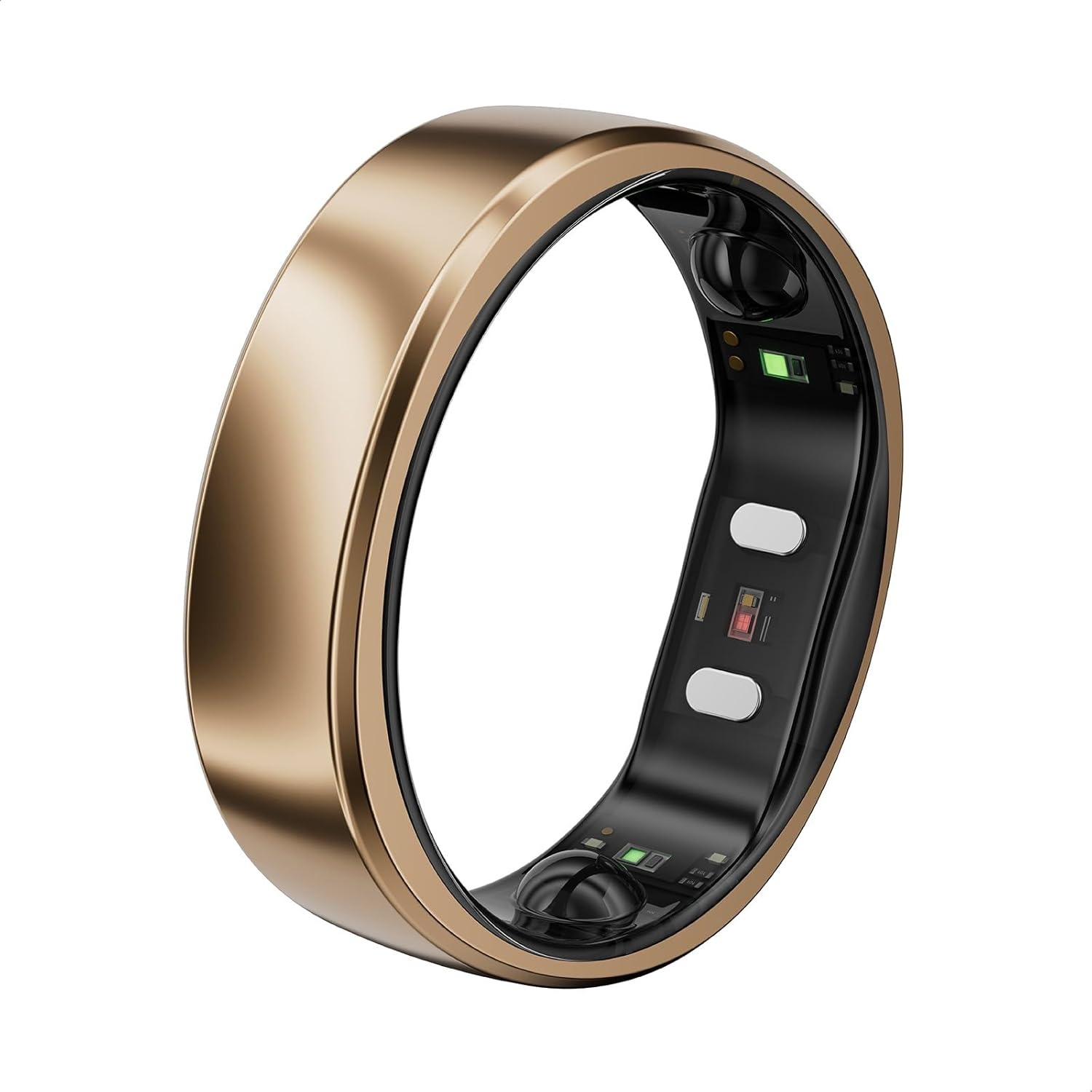 | 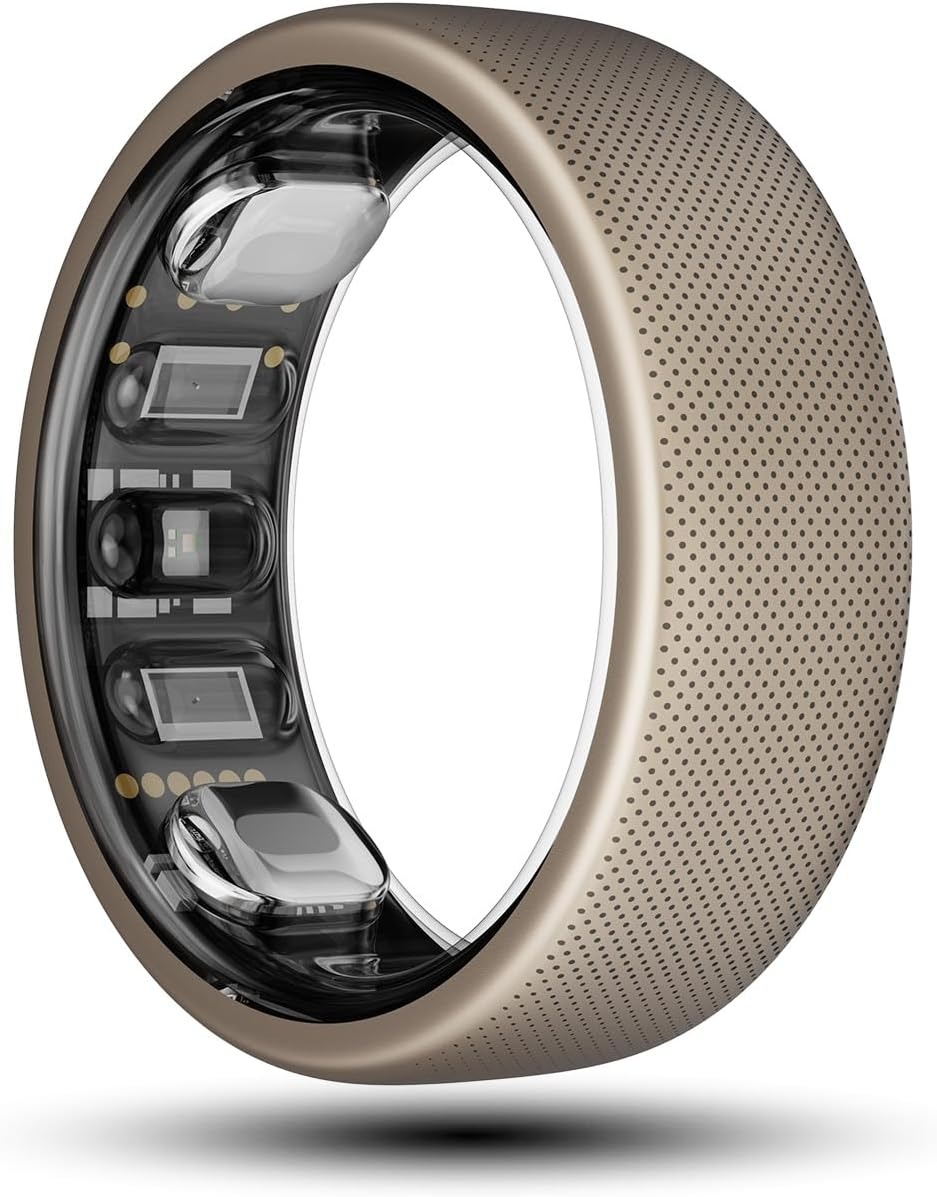 | |
| Best For | Overall smart ring | Best value & sleep apnea awareness | Best women-focused health & cycle | Best lightweight budget choice | Best for recovery & metabolic focus |
| Subscription | No | Yes (monthly) | No | No | No |
| Battery LIfe | ~12 days | Up to ~8 days | ~10–12 days | Mid-range | ~10 days |
| Charging | charging case | Tabletop dock | Portable charging case | Dock | Dock |
| Health | Sleep apnea + general wellness | General wellness, sleep, activity | Sleep, readiness, activity trends | Recovery, stress, metabolism | Sleep + activity + Galaxy AI |
| Look & Feel | Thin and minimal | Most jewelry-like | Ultra-thin, minimal | Open, adjustable band | Slim, simple |
| Price |  | | | | |
✅ Why Finger Size & Fit Matter More Than You Think
- Sensors need contact: For accurate sleep, HR, HRV, or skin-temp data — the ring must sit snug, not loose. On small fingers, a loose ring means bad readings.
- Comfort 24/7: Smart rings are often worn 24/7 (sleep, shower, daily wear). A too-big ring can twist, pinch, or catch on clothes.
- Style & Daily Wear: On slim hands, a thick or bulky ring can look bulky or awkward, undermining the “wearable like jewelry” appeal.
- Battery & Charging Habits: If the ring is bulky or uncomfortable, you’re more likely to remove it — which breaks continuous tracking. A well-fitting ring makes consistent data collection easier.
🔎 What to Look For in a Smart Ring for Small Fingers or Slim Hands
When you’re ring shopping with small fingers in mind, prioritize these ring attributes:
• Size range & adjustable fit
Choose rings that offer small sizes (e.g. size 4, 5, 6) or adjustable/open-band designs. Some rings use flexible or open-band styles that can accommodate minor finger size fluctuation (swelling, temperature, seasons), which is great for small/slim hands.
• Slim, low-profile design
Go for rings with thin cross-sections and low profile (not chunky). A thin band is less likely to spin or snag — and feels more like a traditional ring than a “gadget.”
• Lightweight build & minimal bulk
Materials and design that keep weight and thickness down make a difference — especially if you’re wearing the ring 24/7. A ring that’s too heavy or bulky can feel awkward or uncomfortable.
• Secure, snug fit — even while sleeping or active
A ring that fits snugly and doesn’t spin or slide around ensures the sensors stay in contact. Many rings have silicone or flexible inserts, or sizing kits to help get a tight fit — very useful for smaller fingers.
• Sensor sensitivity & adaptability
Smart-ring sensors (pulse, SpO₂, skin temperature, movement) often expect good contact. On small fingers, sensor placement becomes more sensitive — you want a ring built to handle smaller diameters without sensor misreads.
• Style that fits your aesthetic — jewelry vs tech look
Since you’ll likely wear it in daily life (work, social, workouts), consider whether you want a subtle, jewelry-like band or a more techy ring. Slim hands often favor minimal, elegant designs that don’t overwhelm the finger.
• Charging & maintenance convenience
You’ll want a ring that’s easy to remove and replace (for charging) without fuss — small fingers make this easier if the fit is good. Also consider whether the charger (dock, case, cradle) is travel-friendly.
🧠 What to Avoid If You Have Small Fingers
- Thick or bulky rings — these can feel oversized, look bad, and cause sensor misalignment.
- Rings with limited small-size options — avoid only size 8 and up, or one-size-fits-all if your hand is slim.
- Heavy or oversized charging cases that discourage nightly charging (because you might take the ring off and forget to put it back on).
- Rings with “one-size fits all” bands that don’t guarantee snug fit — slippage reduces tracking accuracy.
- Designs that catch on clothes or objects (raised edges, protruding sensor bumps) — especially problematic on slim fingers.
| Products | Oura Ring 4 | RingConn Gen 2 | Samsung Ring | RingConn Gen 2 Air | Ultrahuman Ring Air |
|---|---|---|---|---|---|
| | | | | |
| Best For | Overall smart ring | Best value & sleep apnea awareness | Best women-focused health & cycle | Best lightweight budget choice | Best for recovery & metabolic focus |
| Subscription | No | Yes (monthly) | No | No | No |
| Battery LIfe | ~12 days | Up to ~8 days | ~10–12 days | Mid-range | ~10 days |
| Charging | charging case | Tabletop dock | Portable charging case | Dock | Dock |
| Health | Sleep apnea + general wellness | General wellness, sleep, activity | Sleep, readiness, activity trends | Recovery, stress, metabolism | Sleep + activity + Galaxy AI |
| Look & Feel | Thin and minimal | Most jewelry-like | Ultra-thin, minimal | Open, adjustable band | Slim, simple |
| Price | | | | | |
👩💻 Who Benefits Most from Smart Rings for Small Fingers
Smart rings tailored for small fingers tend to benefit people who:
- Have petite hands / slim fingers / shorter fingers
- Prefer minimal, jewelry-like accessories rather than bulky wearables
- Want to wear the ring 24/7 (sleep, daily life, travel) without discomfort
- Track sleep, stress, HR, cycle, or health, and need good sensor contact for accurate data
- Want something subtle and discreet that works with rings, bracelets, or watches (e.g. stacking jewelry)
If you’re a woman, petite male, teen, or just someone with narrower hands — investing in a small-size, slim, light smart ring can make the difference between “works ok” and “works great and disappears on your hand.”
📝 Practical Tips When Buying & Using a Smart Ring for Small Fingers
- Measure your finger properly. Use a ring sizer or plastic ring gauge. Fingers swell slightly — so size in the morning and evening if possible. Allow a snug but comfortable fit.
- Check the manufacturer’s size chart carefully. Many rings offer small sizes — take advantage of that. If available, order the sizing kit.
- Prefer slim, low-profile designs. The thinner the band and the flatter the profile, the more likely it will sit well on a small finger all night.
- Look for adjustable or flexible bands if available. This helps with fluctuations in finger size (temperature, cycle, swelling).
- Test sensor contact before relying on data. Right after putting the ring on, check the app — make sure sensors detect HR/SpO₂ properly, especially if your finger is small.
- Wear consistently for several cycles or weeks. Rings get “smarter” as they collect more data — consistent wear matters more than occasional use.
- Remove for adjustments carefully. If you swap finger positions or take it off too often, sensor baselines can drift; try to stay consistent.
- Balance comfort + function. A ring that feels great but gives bad data isn’t useful — aim for both.
🌙 When Smart Rings for Small Fingers Really Help (Use Cases)
- Sleep tracking for petite sleepers: Small fingers often make big, bulky rings uncomfortable during sleep — a slim ring stays out of the way but still tracks sleep cycles.
- Women & cycle tracking: Rings that fit snug and stay on reliably can pick up temperature and HR changes tied to menstrual cycles — good data depends on consistent ring wear.
- Frequent travelers or minimalists: Slim, light rings pack easier than bulky wearables — ideal for carry-on or everyday carry.
- People who wear other rings/bracelets: A slim smart ring won’t clash or slide — much easier to stack jewelry or wear a watch alongside it.
- Workouts + daily life + sleep (triathlon of wear): If you want one ring to do it all (sleep, stress, HR, activity), a well-fitted slim ring avoids discomfort and gives better sensor contact across contexts.
FAQ — Smart Rings & Small Fingers
Q: My fingers are size 5–6. Do smart rings still work?
A: Yes — but only if you pick a ring with small-size options or an adjustable design. Always check size charts carefully and consider a sizing kit before buying.
Q: Does a snug fit matter for sensor accuracy?
A: Absolutely. For heart rate, SpO₂, temperature, and sleep-tracking sensors, good skin contact matters. A loose ring often leads to inaccurate or inconsistent readings.
Q: Are slim rings durable, or do they break more easily?
A: Slim rings can be durable — but choose ones made from quality materials (titanium, surgical steel) and avoid overly thin or cheap bands. Better quality usually equals longer lifespan, even on slim builds.
Q: Will a smart ring still work if my finger size changes (swelling, temperature, cycle)?
A: The best designs (adjustable bands or rings with slight flex) handle small fluctuations. If your size varies a lot, consider a ring with an adjustable or open-band design.
Q: Should I sacrifice features for fit? (e.g. skip SpO₂ or HR sensors to get a thinner ring?)
A: Only if you’re sure you don’t need those features. The ideal ring balances fit + essential sensors. If you skip core sensors just to get slimness — you might lose the core advantage of a smart ring.
Other Interesting Articles
- Top 5 Best Smart Rings for Men
- Best Smart Ring for Women: Top 5 Picks Ranked
- RingConn 2 vs Oura 3: Which Smart Ring Is Actually Better for Your Life?
- RingConn 2 vs Ultrahuman Ring (Ring Air): Which Smart Ring Fits You Better
- RingConn 2 vs Oura 4: Which Smart Ring Really Fits Your Life (and Wallet)?
- RingConn 2 vs RingConn 2 Air: The No-BS Guide to the Best Budget Smart Ring
Final Thoughts
If your fingers or hands are on the smaller/slimmer side, a smart ring isn’t “one-size-fits-all.” Fit, comfort, and sensor contact matter — maybe even more than brand, hype, or features.
But when you pick the right ring — one that’s slim, snug, well-built, and designed for smaller hands — you get all the perks of a wearable (sleep tracking, health insights, cycle awareness) without the drawbacks of bulk or discomfort.
If you plan carefully — measure your finger, read size charts, and favor slim design + good sensors — a smart ring can become a quiet, powerful health companion that fits you, not just “an average hand.”
About the Author
At Trimflo, I’m obsessed with the gear that actually makes a difference—whether that’s a smart ring, a weighted vest, or something you wear every day without thinking about it. Every recommendation here is based on real specs, independent testing, and long-term cost so you can confidently pick the best smart ring for small fingers and get back to living your life, not debugging your gadgets.