I'm a participant in the Amazon Services LLC Associates Program, an affiliate advertising program designed to provide a means for me to earn fees by linking to Amazon.com and affiliated sites.
Why a Sleep-Only Smart Ring Makes Sense
If your main concern is sleep — getting better rest, tracking sleep cycles, tracking recovery, stress levels, and overall health — a smart ring can actually be better than a smartwatch or fitness tracker. Here’s why:
- Rings are less intrusive. Because they’re small and low-profile, they’re easier to wear overnight — no bulky screen or strap digging into your wrist.
- Continuous tracking, even when sleeping or showering. You don’t need to remember to “turn on sleep mode” — once it’s on, it quietly tracks all night.
- Better chance of consistent use. If your ring is comfortable and low-maintenance, you’re more likely to keep it on — which means better long-term data.
- Simplified data focus: sleep, HR, recovery, stress. Without the “fitness data clutter,” you get a cleaner look at what matters for rest and recovery.
If you’re someone who cares more about sleep quality, recovery, stress, and overall wellness — not steps, workouts, or calories — sleep-only tracking can be the best use case for a smart ring.
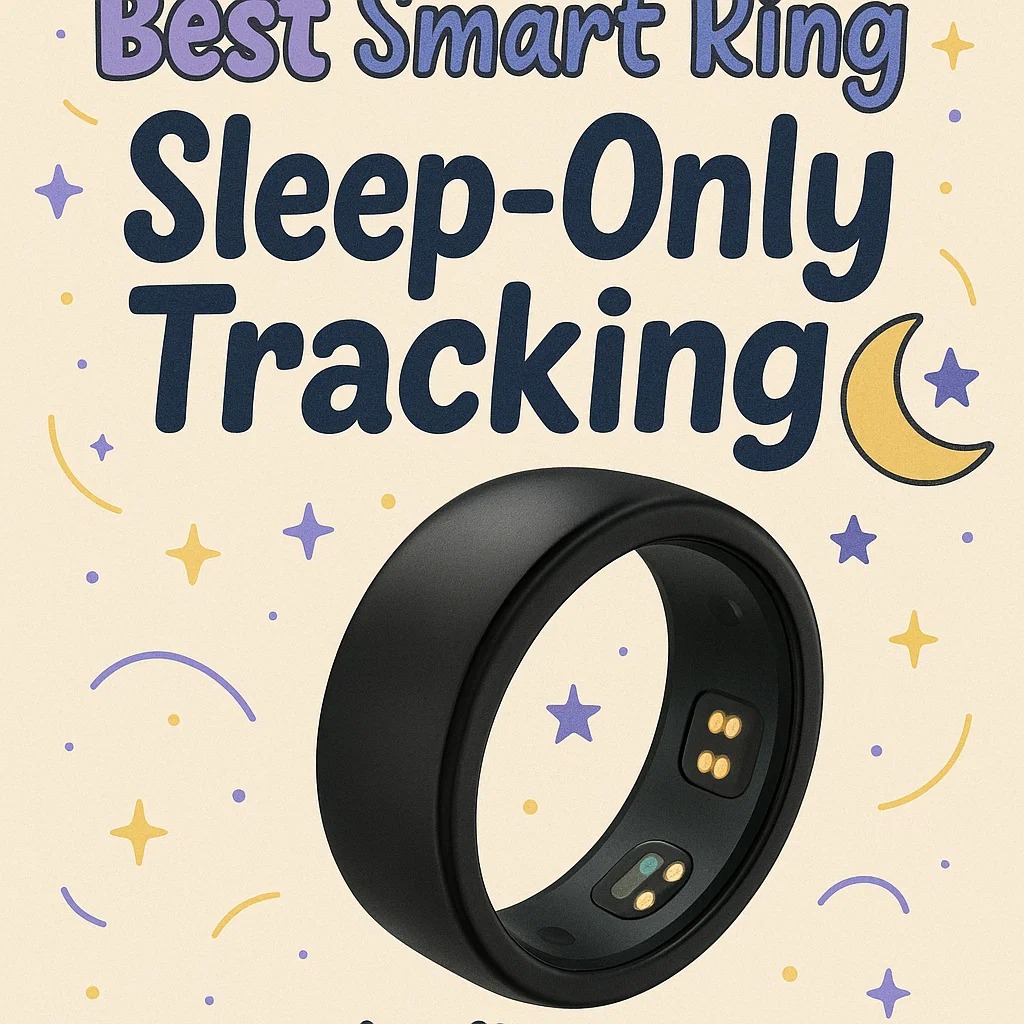
Best Smart Ring for Sleep-Only Tracking
| Products | Oura Ring 4 | RingConn Gen 2 | Samsung Ring | RingConn Gen 2 Air | Ultrahuman Ring Air |
|---|---|---|---|---|---|
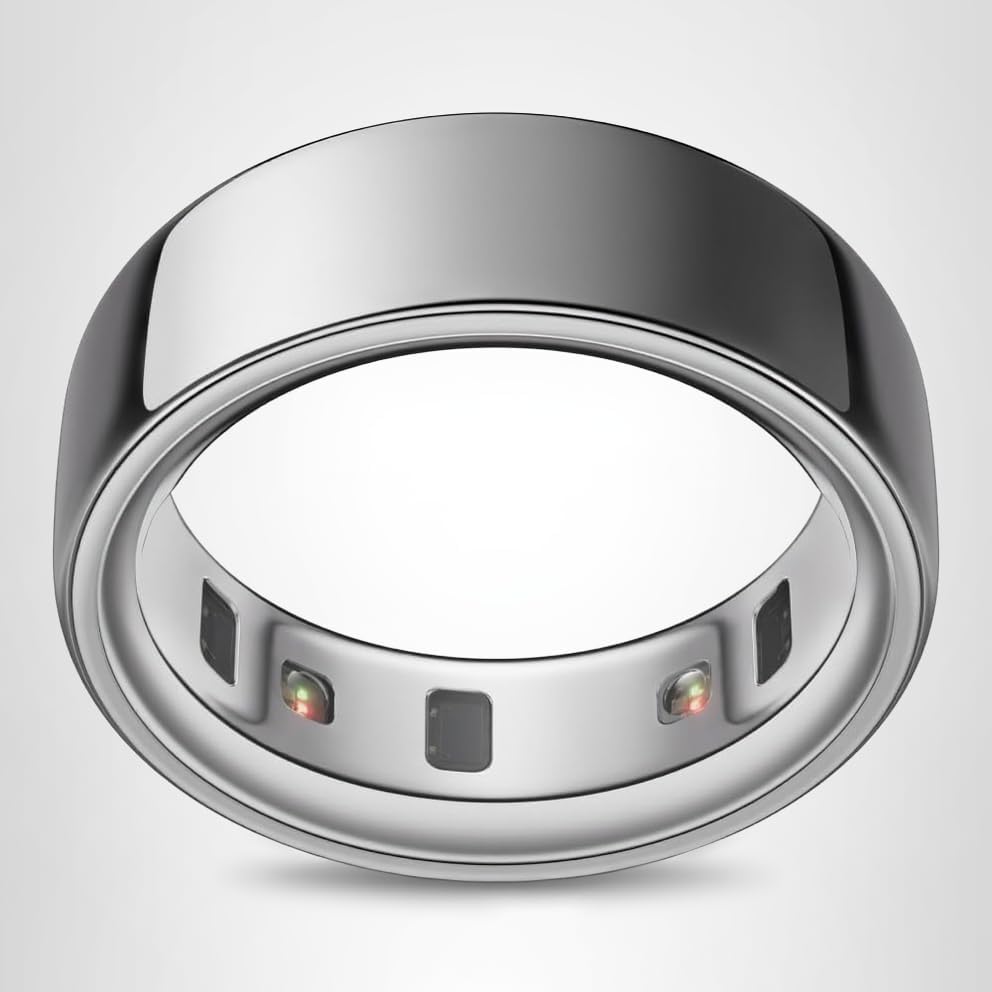 | 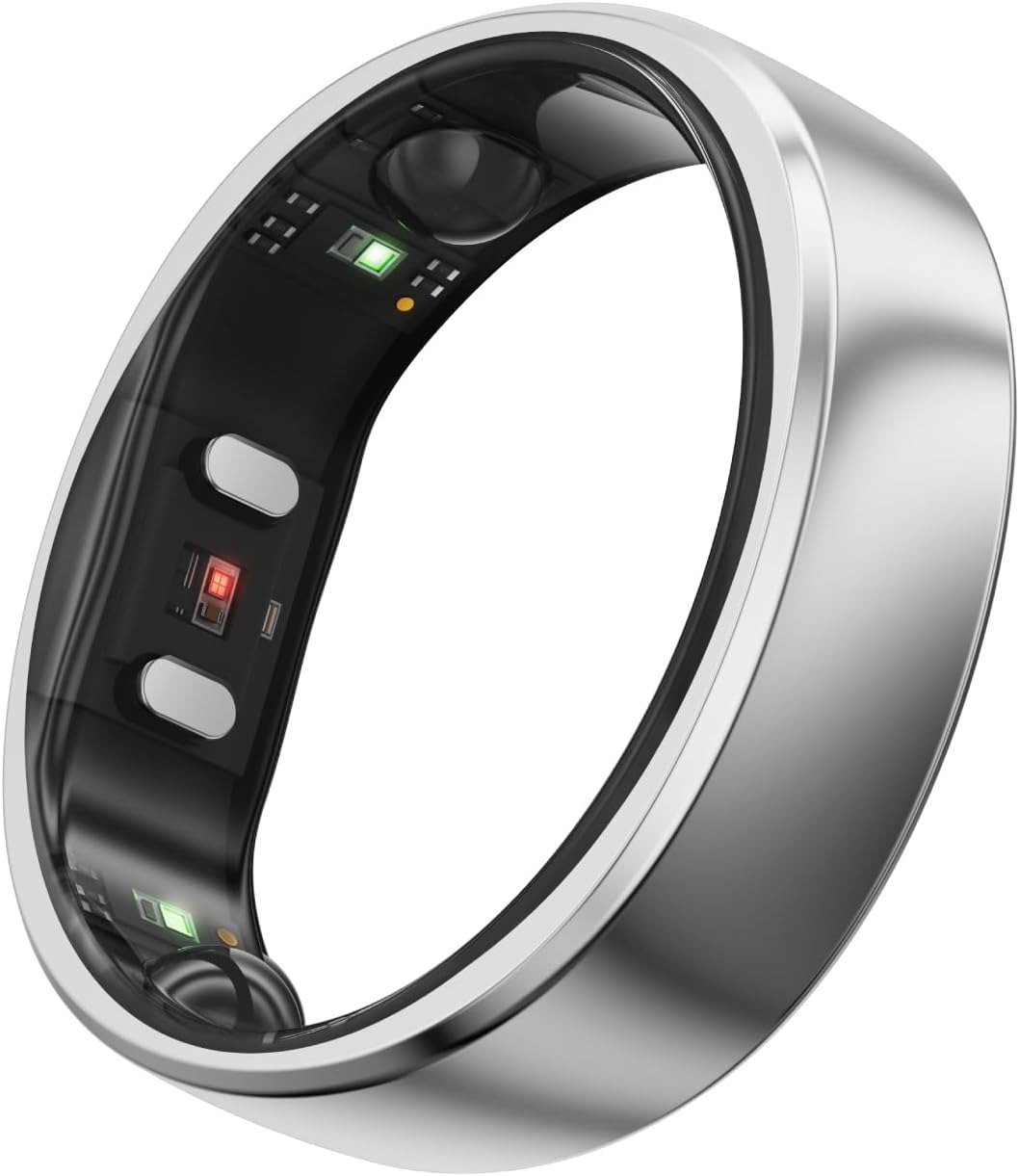 | 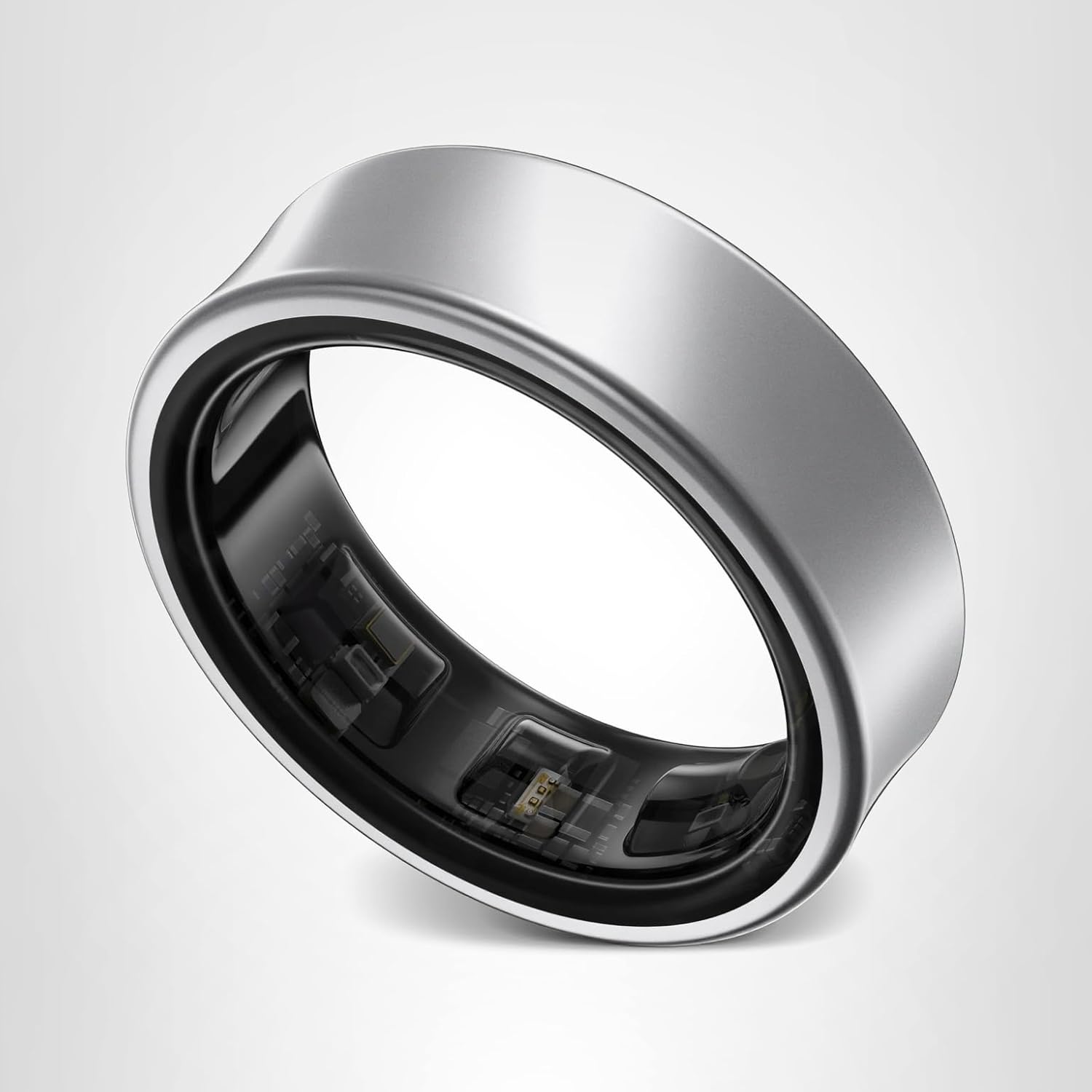 | 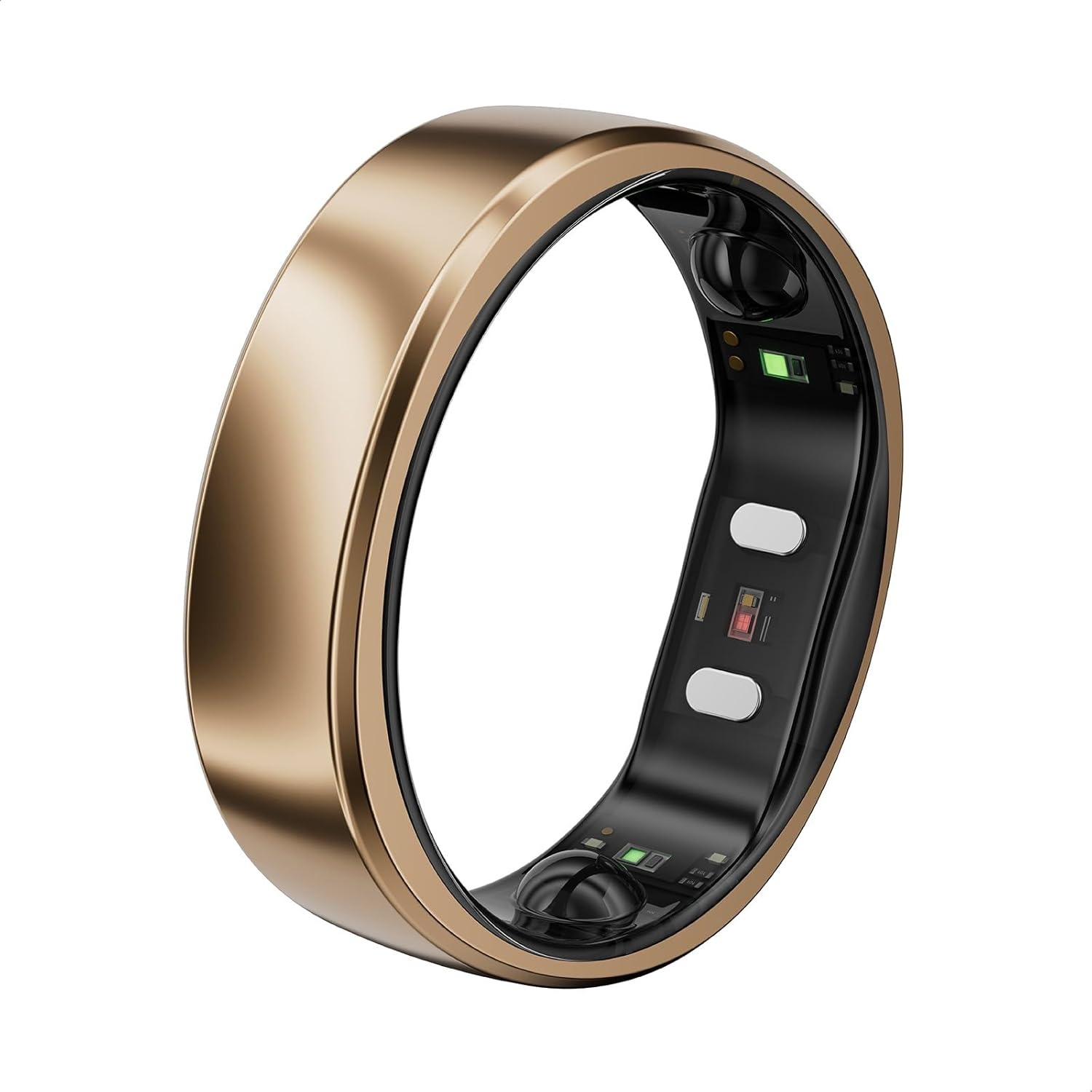 | 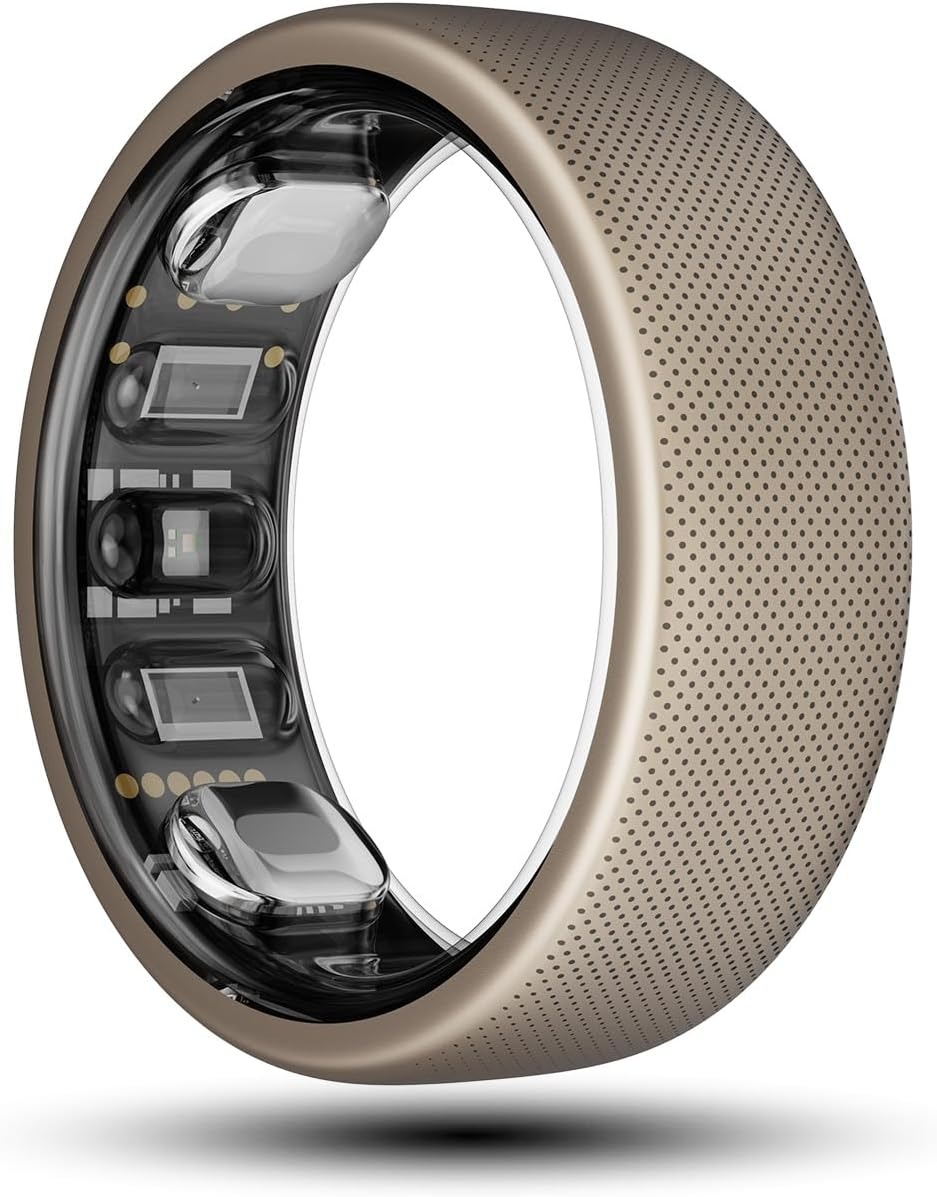 | |
| Best For | Overall smart ring | Best value & sleep apnea awareness | Best women-focused health & cycle | Best lightweight budget choice | Best for recovery & metabolic focus |
| Subscription | No | Yes (monthly) | No | No | No |
| Battery LIfe | ~12 days | Up to ~8 days | ~10–12 days | Mid-range | ~10 days |
| Charging | charging case | Tabletop dock | Portable charging case | Dock | Dock |
| Health | Sleep apnea + general wellness | General wellness, sleep, activity | Sleep, readiness, activity trends | Recovery, stress, metabolism | Sleep + activity + Galaxy AI |
| Look & Feel | Thin and minimal | Most jewelry-like | Ultra-thin, minimal | Open, adjustable band | Slim, simple |
| Price |  | | | | |
✅ What to Look For in a Smart Ring If You Only Care About Sleep
When choosing a ring solely for sleep and recovery, these attributes matter most:
• Comfortable, low-profile, light design — ideal for all-night wear
A ring with a thin band, smooth inner surface, and minimal bulk — one that won’t irritate you while sleeping, moving, or tossing & turning.
• Reliable sleep/stage tracking + vital sensors (HR, HRV, SpO₂, temperature)
You want sensors built for sleep: good sleep-stage detection, heart-rate tracking, HRV, skin temperature trends, oxygen saturation — all without needing wrist-based motion tracking.
• Good battery life or easy charging — so you don’t have to take it off often
Because you wear it overnight, battery life matters. If the ring dies mid-week, you risk breaking the data chain. Prefer rings with multi-day battery or portable charging.
• Durable and safe materials — for nightly wear and possible bed movements
Since the ring will be on 24/7, the build should withstand knocks, pressure, water (showers), and frequent use. A sturdy band and quality materials help a lot.
• Simple app / clean sleep-focused analytics — no unnecessary complexity
If you don’t care about workouts or steps, an app that gives clean sleep reports, recovery data, and easy-to-read insights is gold.
• Sensors and algorithms optimized for sleep tracking — not fitness bias
Some wearables focus on activity & workouts. For sleep-only use, you want a ring whose main strength is sleep, recovery, readiness, stress — not step counts or GPS.
| Products | Oura Ring 4 | RingConn Gen 2 | Samsung Ring | RingConn Gen 2 Air | Ultrahuman Ring Air |
|---|---|---|---|---|---|
| | | | | |
| Best For | Overall smart ring | Best value & sleep apnea awareness | Best women-focused health & cycle | Best lightweight budget choice | Best for recovery & metabolic focus |
| Subscription | No | Yes (monthly) | No | No | No |
| Battery LIfe | ~12 days | Up to ~8 days | ~10–12 days | Mid-range | ~10 days |
| Charging | charging case | Tabletop dock | Portable charging case | Dock | Dock |
| Health | Sleep apnea + general wellness | General wellness, sleep, activity | Sleep, readiness, activity trends | Recovery, stress, metabolism | Sleep + activity + Galaxy AI |
| Look & Feel | Thin and minimal | Most jewelry-like | Ultra-thin, minimal | Open, adjustable band | Slim, simple |
| Price | | | | | |
🛌 What Sleep-Only Smart Rings Do That Fit-First Wearables Don’t
| Benefit | Why a Ring Can Work Better Than a Watch or Tracker |
|---|---|
| Less intrusive overnight | No bulky strap pressing on wrist — rings stay out of the way when sleeping, hair, pillows, sheets. |
| 24/7 wearability | Easier to keep on all day — through showers, work, errands — so data remains continuous. |
| Better sleep-specific data quality | Rings often rely on ring-specific sensors (temperature, SpO₂, HR) optimized for detecting sleep stages and nocturnal changes. |
| Low maintenance | Small, simple devices — fewer screens, simpler charging routines, less fiddling — ideal for people uninterested in fitness data. |
| Discreet & versatile | Rings look like normal jewelry — easy to wear with work clothes, pajamas, or casual outfits. |
🎯 Who Should Get a Sleep-Only Smart Ring
A sleep-only smart ring is ideal if you:
- Have irregular sleep patterns (shift workers, parents, busy professionals).
- Care mostly about sleep quality, stress, recovery, mood, and overall wellness.
- Don’t care about steps, calorie burn, workouts, or fitness competition.
- Want a wearable that’s light, unobtrusive, and easy to keep on 24/7.
- Want to track how sleep duration / quality affects daily energy and recovery over time.
- Prefer simplicity over complexity — a sleep ring instead of a smart-watch-plus-fitness eco-system.
If that describes you — a sleep-only ring could be your best wearable decision in years.
📌 What to Watch Out For (Common Pitfalls)
- Over-priced rings with fitness-heavy features — if they’re built for workouts, sleep tracking may be secondary or limited.
- Poor battery life or frequent charging needs — taking the ring off frequently breaks sleep continuity.
- Bulk or uncomfortable bands — bulky rings can disturb sleep or be annoying overnight.
- Shallow sleep analytics or vague data — avoid rings that only log “time asleep” without sleep stages, HRV, or recovery insights.
- Cheap materials — a ring you wear 24/7 needs to hold up to water, knocks, daily wear/shower cycles, and ideally not degrade over time.
- Overlapping sensors with wardrobe/jewelry — comfort and hygiene matters — especially if you wear multiple rings or have sensitive skin.
🧠 Real-World Use Cases Where Sleep-Only Rings Shine
- For people with stress or insomnia issues: Sleep rings help you correlate lifestyle, bedtime habits, and sleep quality — seeing what actually helps (bedtime, temperature, wind-down routine).
- Night-shift workers or rotating schedules: Rings adapt to odd hours and track recovery, naps, total sleep, and heart-rate/SpO₂ trends.
- Travelers or people on the road: Slim rings travel well; easy to pack, recharge, and wear through time zone changes.
- Those who want to track long-term health without wearable clutter: Keep a single ring on for months, get months of sleep/stress data without juggling devices.
📄 Quick Sleep-Ring Buying Checklist
When you hunt for a sleep-only smart ring, check:
- Band is slim and low-profile — good for overnight comfort.
- Sensors support sleep staging, HR, HRV, SpO₂, temperature.
- Battery lasts multiple days (ideally a week+) or charger is convenient.
- Materials are durable, water-resistant, and comfortable for continuous wear.
- App gives clear sleep & recovery analytics, not confusing fitness-hybrid dashboards.
- Ring size/fit is snug but not tight — especially if your fingers are smaller or band is narrow.
If a ring checks all those boxes — it’s a strong fit for a sleep-only lifestyle.
Other Interesting Articles
- Top 5 Best Smart Rings for Men
- Best Smart Ring for Women: Top 5 Picks Ranked
- RingConn 2 vs Oura 3: Which Smart Ring Is Actually Better for Your Life?
- RingConn 2 vs Ultrahuman Ring (Ring Air): Which Smart Ring Fits You Better
- RingConn 2 vs Oura 4: Which Smart Ring Really Fits Your Life (and Wallet)?
- RingConn 2 vs RingConn 2 Air: The No-BS Guide to the Best Budget Smart Ring
Final Thoughts
You don’t have to be a fitness fanatic to get value from a wearable. If sleep, stress, recovery, and overall wellness matter more than steps, workouts, or calories — a smart ring built for sleep-only can quietly give you data that helps you sleep better, recover better, and feel more stable.
Pick one that’s comfortable, low-profile, reliable, and built to last — and you get a nightly health tracker that doesn’t interfere with your life.
About the Author
At Trimflo, I’m obsessed with the gear that actually makes a difference—whether that’s a smart ring, a weighted vest, or something you wear every day without thinking about it. Every recommendation here is based on real specs, independent testing, and long-term cost so you can confidently pick the best smart ring sleep-only tracking and get back to living your life, not debugging your gadgets.