I'm a participant in the Amazon Services LLC Associates Program, an affiliate advertising program designed to provide a means for me to earn fees by linking to Amazon.com and affiliated sites.
Before buying a smart ring, the most important things to know are how it feels, how it fits, and how it fits into your actual daily life. Smart rings are amazing when worn consistently — but uncomfortable, poorly sized rings get returned fast.
If you understand comfort, sizing, battery expectations, and what rings don’t do, you’ll buy the right one the first time.
Why this matters:
Most smart ring returns happen because buyers didn’t realize how different rings are from watches — in comfort, in tracking style, and in daily use. Understanding these 7 truths will make or break your satisfaction.
| Products | Oura Ring 4 | RingConn Gen 2 | Samsung Ring | RingConn Gen 2 Air | Ultrahuman Ring Air |
|---|---|---|---|---|---|
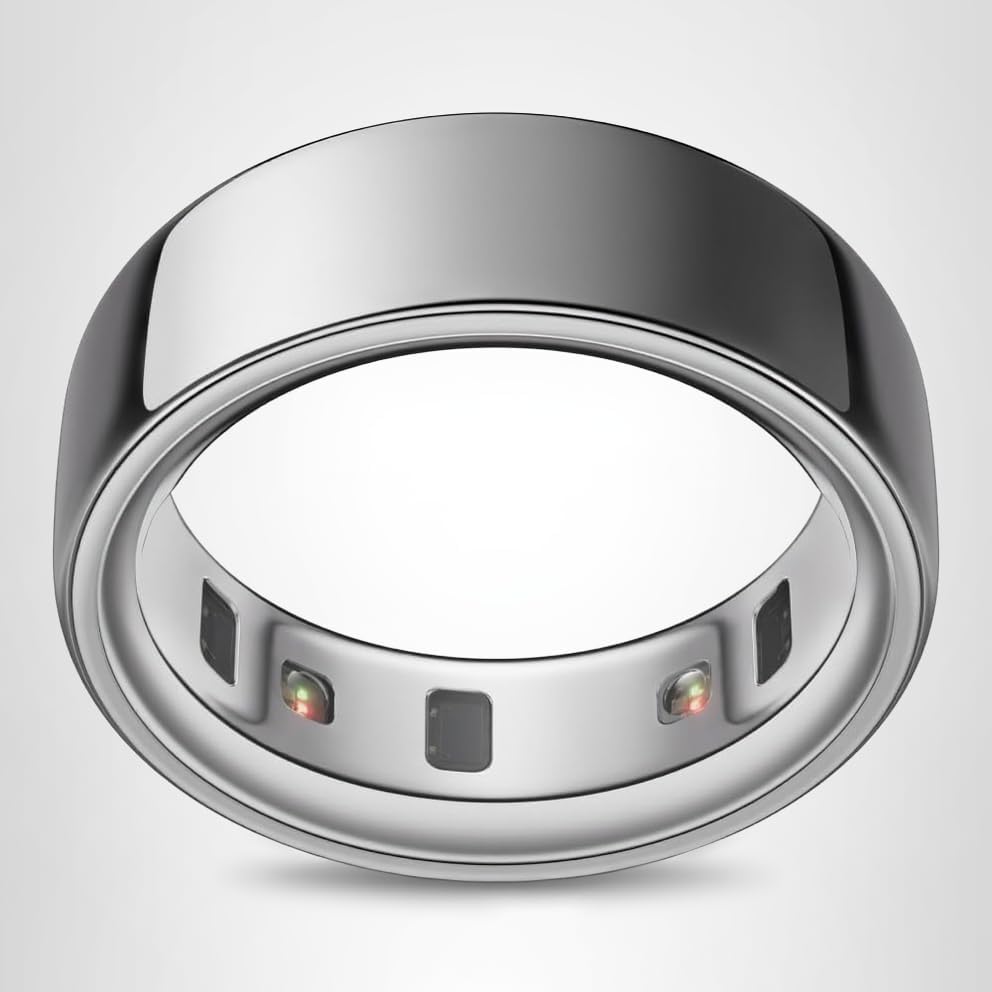 | 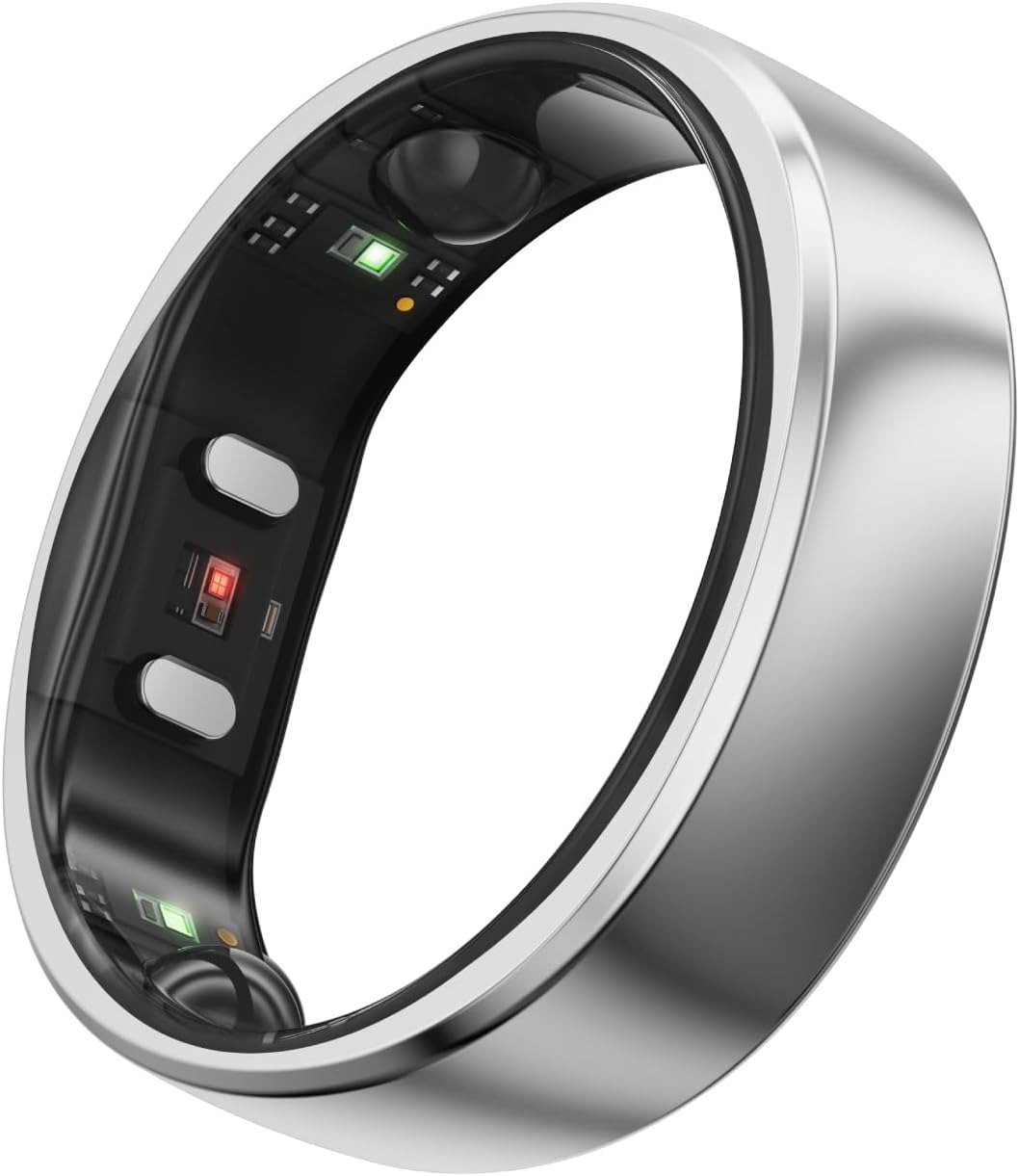 | 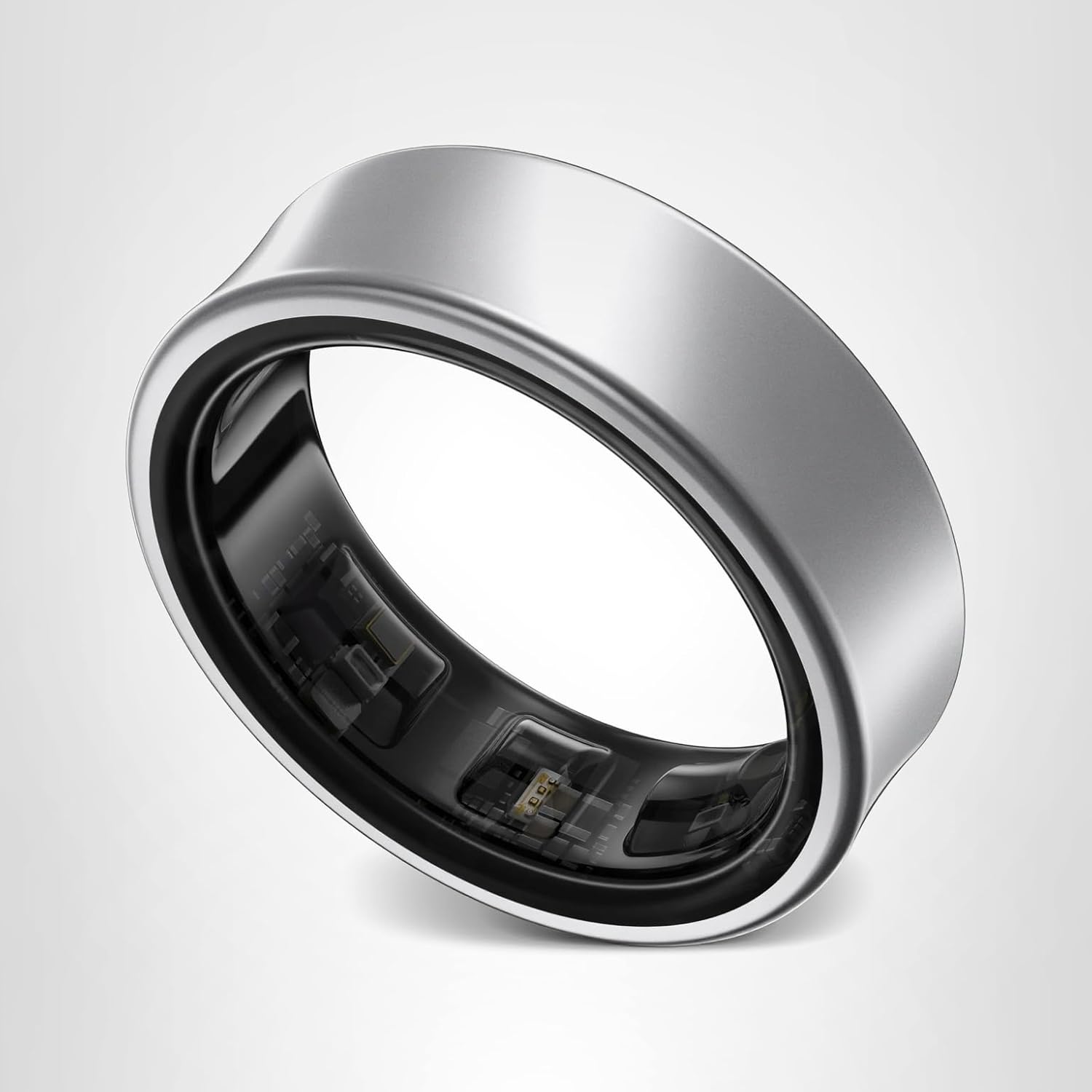 | 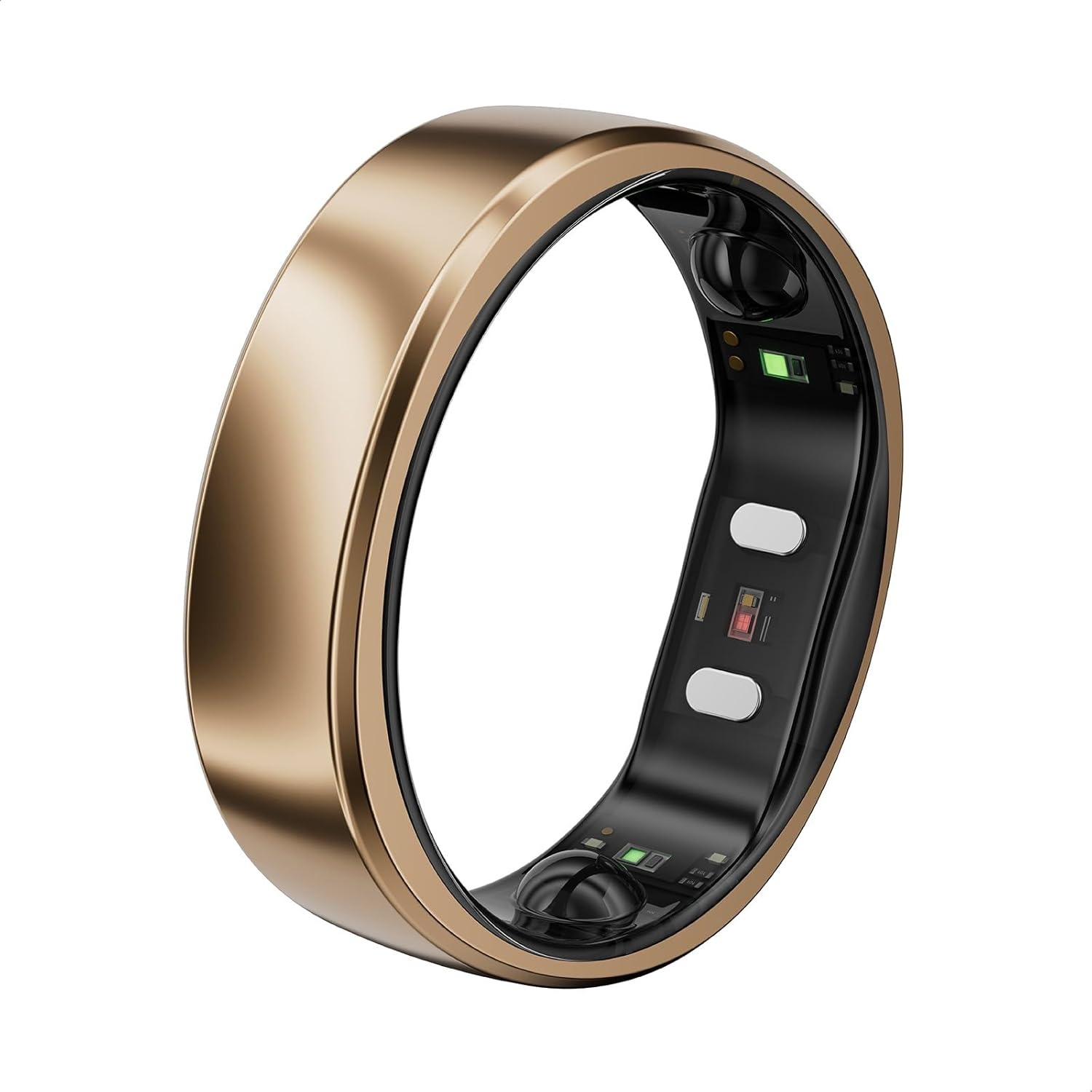 | 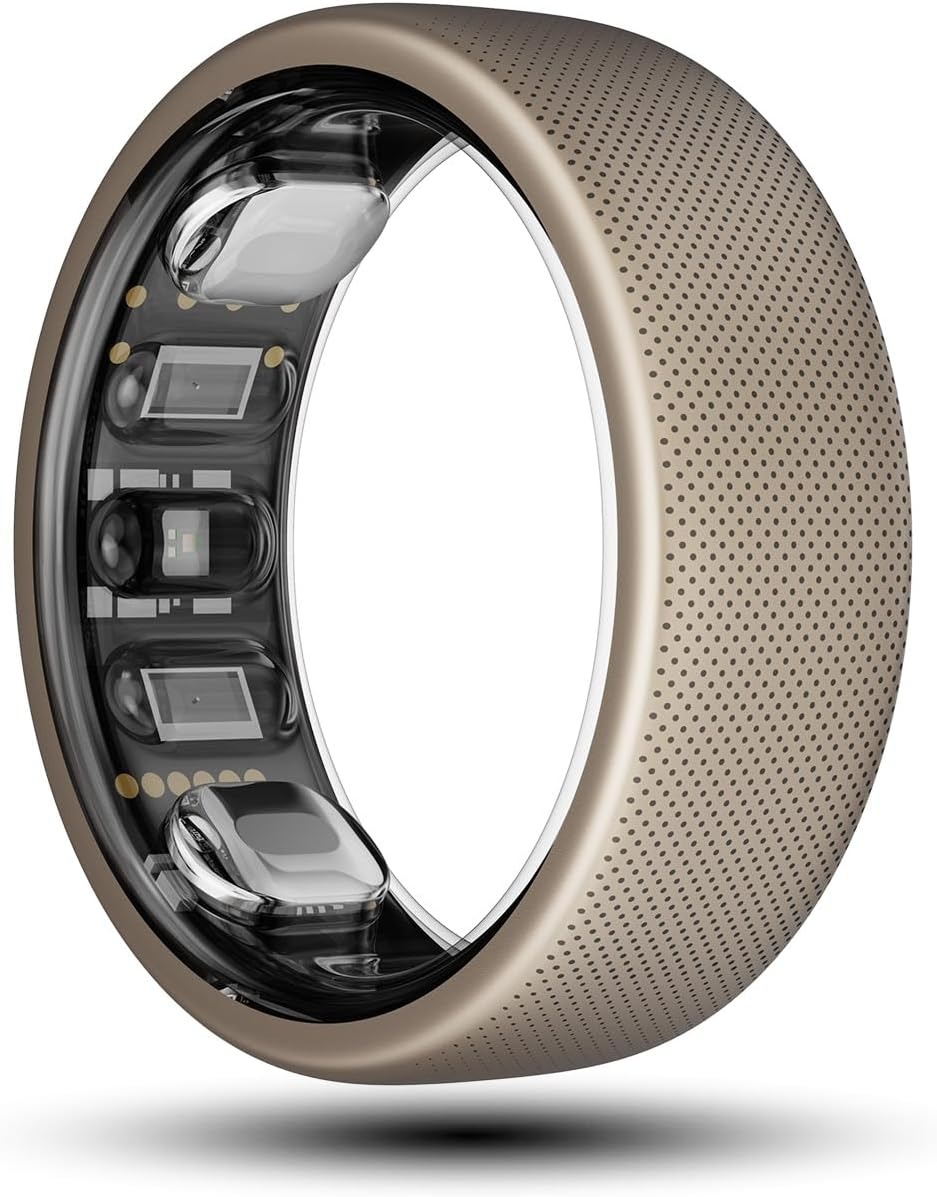 | |
| Best For | Overall smart ring | Best value & sleep apnea awareness | Best women-focused health & cycle | Best lightweight budget choice | Best for recovery & metabolic focus |
| Subscription | No | Yes (monthly) | No | No | No |
| Battery LIfe | ~12 days | Up to ~8 days | ~10–12 days | Mid-range | ~10 days |
| Charging | charging case | Tabletop dock | Portable charging case | Dock | Dock |
| Health | Sleep apnea + general wellness | General wellness, sleep, activity | Sleep, readiness, activity trends | Recovery, stress, metabolism | Sleep + activity + Galaxy AI |
| Look & Feel | Thin and minimal | Most jewelry-like | Ultra-thin, minimal | Open, adjustable band | Slim, simple |
| Price |  | | | | |
🟦 1. They Only Work If You Wear Them 24/7
Here’s the truth:
Smart rings are designed for constant wear — day, night, shower, sleep, and everything in between. Their superpower is continuous data.
If you’re the type to remove jewelry often or forget wearable tech, the ring may not give you the deep insights you’re hoping for.
Great data = consistency.
If you wear it all the time, smart rings shine.
If you’re inconsistent, they lose their value quickly.
🟦 2. Sizing Is Everything — And Most People Guess Wrong
This is the #1 reason for returns.
Smart ring sizing isn’t the same as jewelry sizing.
If the ring is:
- Too loose → sensors lose contact
- Too tight → uncomfortable during heat, workouts, or sleep
Correct sizing requires:
- Trying multiple sizes
- Testing comfort during daily activities
- Accounting for swelling
- Wearing the tester ring for hours, not minutes
A perfect fit changes everything.
🟦 3. They’re Built for Sleep and Recovery — Not Fitness Metrics
This is something new buyers rarely understand.
Smart rings are not replacements for:
- GPS watches
- Real-time workout stats
- Pace, splits, distance
- Step competition
They excel in:
- Sleep staging
- HR + HRV
- Recovery tracking
- Stress trends
- Baseline health insights
If you expect fitness-watch performance, you’ll be disappointed.
If you want wellness tracking, you’ll be thrilled.
| Products | Oura Ring 4 | RingConn Gen 2 | Samsung Ring | RingConn Gen 2 Air | Ultrahuman Ring Air |
|---|---|---|---|---|---|
| | | | | |
| Best For | Overall smart ring | Best value & sleep apnea awareness | Best women-focused health & cycle | Best lightweight budget choice | Best for recovery & metabolic focus |
| Subscription | No | Yes (monthly) | No | No | No |
| Battery LIfe | ~12 days | Up to ~8 days | ~10–12 days | Mid-range | ~10 days |
| Charging | charging case | Tabletop dock | Portable charging case | Dock | Dock |
| Health | Sleep apnea + general wellness | General wellness, sleep, activity | Sleep, readiness, activity trends | Recovery, stress, metabolism | Sleep + activity + Galaxy AI |
| Look & Feel | Thin and minimal | Most jewelry-like | Ultra-thin, minimal | Open, adjustable band | Slim, simple |
| Price | | | | | |
🟦 4. They Feel Different Than Watches (In a Good Way)
Smart rings are:
- Smaller
- Lighter
- More discreet
- Easier to sleep in
- More comfortable day-to-day
But…
You will feel:
- A bit of pressure
- Slight warmth
- Occasional rotation
- A sensation of “ring awareness” during week one
This is normal — most people adjust within 48–72 hours.
The comfort payoff is huge.
🟦 5. Temperature, Skin, and Lifestyle Matter More Than You Think
Factors that affect ring comfort:
- Finger swelling
- Warm weather
- Cold air shrinkage
- Hydration levels
- Skin dryness
- Lotion under the ring
- Heavy workouts
Smart rings thrive in everyday life — not in extreme scenarios.
Knowing how your hands behave makes sizing and comfort much easier.
🟦 6. You Should Expect Imperfect Data (But Valuable Trends)
Smart rings aren’t medical instruments. You will see:
- Occasional odd HR spikes
- Sleep-stage mismatches
- Weird readings after drinking or travel
- Missed signals during movement
But what you should expect:
- Clear long-term patterns
- Consistent recovery trends
- Better understanding of stress
- Month-to-month baseline improvements
Wearable data is about trends, not perfection.
🟦 7. You’ll Love It If It Matches Your Lifestyle — You’ll Return It If It Doesn’t
Smart rings are amazing for people who:
- Like minimalism
- Want fewer screens in life
- Care about sleep quality
- Prefer wellness > performance metrics
- Want a device they forget they’re wearing
But they’re not ideal for:
- Heavy-duty hands-on jobs
- Weightlifters without gloves
- People who want real-time workout stats
- Users who dislike rings in general
Your lifestyle determines your satisfaction more than the features do.
🧠 Final Thoughts
Buying a smart ring isn’t about choosing the model with the most features — it’s about understanding your habits, your comfort preferences, and your actual goals.
If you know:
- How smart rings work
- What they don’t do
- How they feel
- How to size them
- How they fit into your daily life
…you’ll choose a smart ring you’ll actually love — not one you return a week later.
Other Interesting Articles
- Top 5 Best Smart Rings for Men
- Best Smart Ring for Women: Top 5 Picks Ranked
- RingConn 2 vs Oura 3: Which Smart Ring Is Actually Better for Your Life?
- RingConn 2 vs Ultrahuman Ring (Ring Air): Which Smart Ring Fits You Better
- RingConn 2 vs Oura 4: Which Smart Ring Really Fits Your Life (and Wallet)?
- RingConn 2 vs RingConn 2 Air: The No-BS Guide to the Best Budget Smart Ring
👤 About the Author
Trimflo is your reliable guide to smart fitness gear, wearable tech, and modern recovery tools — helping you choose devices that fit your real life, not just your wish list.